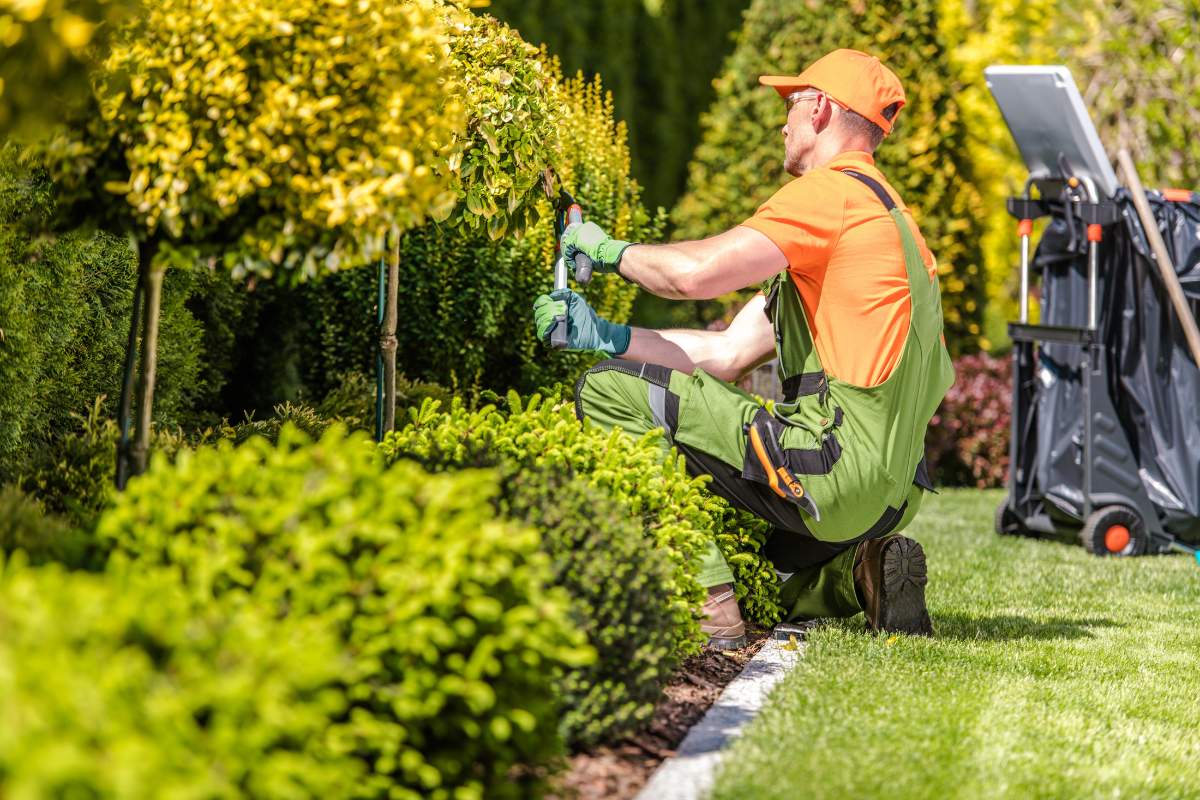
Creating a landscape that welcomes birds and butterflies is equal parts design, plant knowledge, and patient stewardship. It’s not just about pretty blooms or a new birdbath. It’s about connecting your yard to the larger ecological web so pollinators, migratory birds, and beneficial insects can feed, nest, and move safely through your neighborhood. Done well, wildlife-friendly landscaping still looks refined, complements your home’s architecture, and is surprisingly low maintenance once established. Done poorly, it can become a messy tangle that frustrates neighbors and fails the species it was meant to help.
I’ve worked on projects from tiny city terraces to multi-acre properties, and the same principles scale. The details shift with climate and site, but the approach stays steady: know your region, build layers of habitat, and make water and shelter reliable. The best landscape design services work with what your site already offers, then add the missing pieces deliberately.
Start With a Clear Vision, Grounded in Place
Every yard has limits and strengths. Sun exposure, soil texture, drainage, existing trees, and wind patterns matter more than the plant tag at the nursery. Before you choose a single flower, map how light moves across the site from April through October, dig a couple test holes to check how fast water drains, and note where you see bird or butterfly activity already. A south-facing fence warmed by afternoon sun is ideal for nectar plants. A dense evergreen hedge on the north side can buffer winter winds, giving birds a safe pocket when storms hit.
Soil tests are worth the modest cost. They tell you pH and nutrient status so you can amend once, precisely, rather than throwing fertilizer at a problem that compost and leaf mold could solve. In my experience, heavy clay can still support a thriving pollinator garden, but it needs structure via compost and bold, deep-rooted natives like prairie dropseed or purple coneflower to open channels. Sandy soils need more organic matter and regular mulch to hold moisture.
A good landscaping company will often start here, with careful site observation, because the right early decisions save years of course corrections. That’s how you end up with a garden landscaping plan that looks intentional, not improvised.
Layers Are the Habitat Engine
Birds and butterflies don’t live in a flat plane, they live in three dimensions. If your yard is all lawn, you’ve effectively turned it into a green desert. The fix is not complicated, but it has to be layered.
Begin with canopy and subcanopy. A single native oak, maple, or serviceberry does more for wildlife than a dozen ornamental exotics. Oaks, for instance, can host hundreds of species of caterpillars, which in turn feed nestlings. That caterpillar buffet is the quiet backbone of a healthy bird population. Under the canopy, plant small trees and large shrubs that fruit at different times. Serviceberry gives June fruit, viburnums come later, and winterberry can hold berries into early winter. This staggered calendar matters because birds migrate on a clock that doesn’t always sync with a single harvest window.
Under shrubs, lay a generous understory of nectar and host plants. Butterflies need both. Nectar flowers are the fuel. Host plants are where they lay eggs and where caterpillars feed. Monarchs need milkweed to reproduce. Black swallowtails use dill, fennel, parsley, and native golden alexanders. Spicebush swallowtails rely on spicebush and sassafras. When you plan host plants first, you turn pretty blossoms into a complete life cycle.
Finally, dense groundcovers and leaf litter create shelter for ground-foraging birds like towhees and wrens, along with overwintering sites for beneficial insects. If the phrase leaf litter makes you think of neglect, reframe it as habitat mulch. A light scatter under shrubs looks intentional, and it saves time on lawn care by reducing raking.
Choose Plants With Wildlife in Mind, Not Just Bloom Color
When you walk a client through plant selection, bloom color is the least important criterion for a wildlife-friendly planting. Bloom sequence, flower structure, and ecological fit lead. Bees prefer simple, open flowers where they can access pollen. Hummingbirds go for tubular flowers, red is a strong attractor, but they’ll visit many colors. Butterflies need landing platforms and benefit from drifts they can see from a distance.
Pair early-season sources like willow catkins and native columbine with midsummer workhorses like bee balm, coneflower, and mountain mint, then finish strong with late nectar in goldenrod and aster. Fall-blooming asters are one of the best energy stops for migrating monarchs. If you live in a dry-summer climate, choose regional analogs like California fuchsia and buckwheats. The best landscape design services keep regional species lists that have been road-tested against droughts and heat waves.
On https://marcodlto319.huicopper.com/garden-landscaping-trends-you-ll-love-this-year the bird side, include plants that produce lipid-rich winter fruit. Aronia, winterberry, and native dogwoods hold their value when insects are scarce. Avoid double-flowered cultivars that sacrifice nectar for extra petals. Avoid invasive exotics that offer little food but spread aggressively, like burning bush or Japanese barberry. Your local extension office or a reputable landscaping service should have a no-plant list for your area.
I’ve seen clients add a mass of butterfly bushes, then wonder why the yard has adult butterflies but no caterpillars. Butterfly bush offers nectar, not host habitat, so it can be part of a design, but it cannot carry the ecological load. Mix it, or better yet swap some for native options like buttonbush, which supports pollinators and hosts sphinx moths.
Water Features That Actually Help Wildlife
A birdbath is useful if it’s shallow, clean, and placed where birds can land and escape. A 1 to 2 inch depth is ideal, with a gentle slope so small birds can sip at the edge. Movement makes water more attractive and discourages mosquitoes. A small recirculating pump or dripper does the job. Place the bath within a quick hop of dense shrubs so birds can escape predators, but not so close that cats can hide under branches and ambush them. Two to six feet is a good range.
If you have space, a small pond with a pebble beach outperforms any pedestal bath. The graded edge lets butterflies and bees drink safely, and amphibians find breeding spots. Keep at least one side shallow, add submerged plants to oxygenate, and avoid fish if your goal is to support dragonflies and amphibians. A pond like this needs light maintenance, mostly leaf skimming in fall and occasional pump checks. In drought-prone areas, a simple drip on a timer into a shallow saucer can be a lifeline, using far less water than a typical irrigation run.
Rethink Lawn Without Losing Order
Most clients want some lawn. Play space, visual relief, a place for a chair. You don’t need to eliminate turf to build habitat. You do need to shrink it and manage it differently. Frame lawn with wide, richly planted borders rather than the other way around. Replace seldom-used strips with native sedge lawns or low meadow mixes. Mow higher, around 3.5 to 4 inches, to shade soil and boost root depth. Higher mowing reduces irrigation and improves resilience. If you handle your own lawn care, sharpen blades once per season and avoid weed-and-feed products in spring, which can harm newly emerging pollinators and contaminate shallow water features.
Landscape maintenance services can shift the lawn program to a lighter touch: core aeration in fall, topdressing with compost instead of heavy fertilizer, and spot-treating weeds rather than blanket-spraying. The savings on water and chemicals often offset the cost of adding diverse planting beds that serve wildlife.
The Power of Clumping and Repetition
Butterflies and hummingbirds cruise like efficient foragers. They want predictable targets, not one-off specimens scattered across a yard. Plant in clumps so the search image forms quickly. I like groups of 5 to 9 per species in small yards, larger drifts in bigger spaces. Repeat those groups rhythmically to help pollinators move in efficient loops. This also makes the garden read as intentional and designed. It is easier to maintain, since you can deadhead or divide in sections rather than hunting for individual plants.
Clients sometimes push for one of everything they like. I get the impulse, but that approach yields visual noise and fragmented bloom. Repetition and seasonal succession produce a landscape that looks good in June, in August heat, and in October light. The byproduct is better nectar continuity, which is what wildlife needs.
Shelter, Nesting, and Safe Passage
Food gets the headlines. Shelter is equally important. Birds build nests in a range of sites, from high tree forks to dense shrubs and even cavity boxes. If you prune every shrub into a tidy pom-pom every spring, you erase the places many species depend on. Time your structural pruning for late winter, and leave some dense interiors for cover. A mixed hedgerow of native shrubs can be trimmed on a three-year rotation, taking a third each year so there’s always safe habitat.
Dead wood matters. A standing snag, if it can be kept safely away from structures, is a condo for woodpeckers and cavity nesters. Even small brush piles tucked behind a screen of shrubs give wrens and thrashers space to forage and hide. In managed neighborhoods, aesthetics matter, so I often integrate a low, neatly stacked log feature as a design element, with the wilder brush pile concealed behind it.
If you add nest boxes, match the box and entrance size to target species, and mount at the correct height with predator guards. A generic birdhouse can invite starlings or house sparrows, which displace natives. A landscaping service that offers habitat consulting will know local guidelines, or you can source plans from reputable conservation groups.
Night lighting is another blind spot. Migratory birds and moths are disoriented by bright, blue-leaning light. Keep exterior lighting warm-toned and shielded. Put path lights on motion sensors or timers. Your garden will look better and function better.
Pesticides, Herbicides, and What to Do Instead
It’s hard to build a wildlife-friendly landscape while broadcasting broad-spectrum insecticides. The trade-off is real: accept some leaf chewing, or starve the food web. I choose the former and aim for resilience. Healthy, well-sited plants tolerate more browsing than stressed ones. When pests surge, diagnose before acting. Many times, natural predators arrive if you give them a week. Lady beetles and lacewings clean up aphids effectively. Parasitic wasps control tomato hornworms. Birds will pull bagworms from evergreens if they can reach them.
If intervention is necessary, use targeted methods. Hand-pick, blast aphids with water, or use horticultural oils during dormant periods to disrupt pests without harming pollinators. Avoid spraying open blooms. For weeds, smother with mulch and plant densely so sunlight never reaches the soil surface. A layered, vigorous planting is the most reliable herbicide.
I’ve seen new gardens overwhelmed by Japanese beetles, and panic leads to heavy chemical use. A better plan is to trap sparingly away from plants you care about, knock beetles into soapy water in the morning when they’re sluggish, and choose species they avoid for next year’s planting. Landscape maintenance services that understand ecological goals can build a calendar around these softer tactics, which keeps the yard safe for the very visitors you want.
Seasonal Choreography: Making it Work All Year
A wildlife-friendly yard shifts with the seasons, and your maintenance should match that rhythm. Spring is for cutting back perennials, but leave hollow stems at 12 to 18 inches to provide nesting chambers for native bees. Rake leaves off lawn but tuck them under shrubs as habitat mulch. Early watering sets deep roots, then taper off to encourage drought resilience.
Summer is the time to deadhead strategically. If birds are feeding on seedheads, leave them. If a plant is losing steam, shear it light to prompt a fresh flush. Water deeply and infrequently, ideally in the morning. Keep water features clean. Check for fledglings before trimming hedges.
Fall is your best planting window in many regions. Soil is warm, air is cool, and new roots race ahead without heat stress. Plant late-season nectar now, and add spring bloomers like woodland phlox so they establish. Stop fertilizing. Let ornamental grasses stand for winter shelter and visual structure. If you insist on tidiness, cut a few for indoor arrangements and leave the rest outside.
Winter looks quiet but carries weight. Birds scour seedheads of coneflower and switchgrass. Evergreen cover breaks cold winds. When snow melts, you’ll see tracks where small mammals moved through, and those corridors tell you where your planting gaps are.
Design That Pleases People and Wildlife
Beauty and ecological function are not opposites. Formal lines can frame wild plantings. A crisp steel edging or a low stone curb around a meadow planting elevates it from “weedy” to “intentional.” Repeat a few plant shapes so the eye knows where to rest. Use a restrained palette of hardscape materials. I favor locally quarried stone and permeable paths, which handle heavy rain and let butterflies puddle in damp spots after storms.
Seating is habitat for humans. Put a bench near the densest activity. Morning light on a patch of bee balm will fill with hummingbirds in July. A shaded chair near a serviceberry in June puts you in the middle of a bird feast at dawn. Good landscape design is also choreography. You decide what moments happen where.
If you’re hiring a landscaping company, ask to see projects two or three years after installation. A new garden always looks great. The real test is maturity. Companies committed to habitat think in timelines longer than a season. They’ll specify plants in sizes that establish faster, not just the cheapest container. They’ll talk about irrigation that weans plants rather than coddling them. Their landscape maintenance services will include seasonal checks for nest boxes, water feature care, and pruning schedules that consider nesting windows.
Addressing Common Constraints and Edge Cases
Small urban yards can deliver outsized value. A vertical trellis with native honeysuckle becomes a hummingbird magnet. Container plantings with lantana, salvia, and parsley can host swallowtails on balconies. A narrow side yard can house a hedgerow of serviceberry, ninebark, and inkberry, providing cover and berries in a corridor birds learn quickly.
Deer pressure is a reality in suburban and rural zones. There’s no perfect deer-proof list, but patterns exist. Deer tend to avoid aromatic, fuzzy, or tough-leaved plants. Mountain mint, agastache, amsonia, and many ferns perform well under browse pressure. Protect young shrubs with temporary fencing for the first two years. Once woodies are above browse height, damage drops dramatically. Choose strategic repellents and rotate them so deer don’t acclimate.
Drought is another edge case that isn’t really an edge case anymore. Group plants by water needs, and irrigate new plantings consistently for one to two growing seasons. After establishment, many natives perform on rainfall alone. Mulch with shredded leaves or fine wood chips, two inches deep, pulled back from stems. I avoid landscape fabric under mulch in wildlife gardens, since it blocks ground-nesting bees and complicates soil health.
Pets and children change the layout. Keep the main play lawn, then wrap it in a robust border that can handle a ball. Use durable plants at the edge, like catmint and switchgrass, and tuck delicate host plants a couple feet back. In dog-heavy yards, a mulch or gravel loop path along the fence gives dogs a lane, sparing your plantings.
A Simple Starting Plan You Can Build On
If you want a blueprint you can adapt, this is the pattern I return to for quarter to half-acre lots in temperate regions. It reads clean, performs for wildlife, and stays maintainable with a modest routine.
- One large native shade or semi-shade tree sited to cool the house and anchor the yard, with a dripline mulched and underplanted with spring ephemerals and summer nectar. A mixed shrub hedgerow along one boundary, staggered planting of 3 to 5 species that fruit across seasons, trimmed lightly on a rotation. A central nectar corridor of perennials in repeating drifts, chosen to bloom from April to frost, with at least two host-plant species integrated. A shallow, recirculating water feature with a pebble beach, placed near cover but with clear sightlines. A reduced, high-mow lawn framed by crisp edging, with a simple path that loops and invites you through the planting.
That framework can be tailored to shade or sun, humid or arid climates, and personal style that leans modern or cottage. The bones stay the same.
Budgeting and Phasing Without Losing Momentum
You don’t have to do everything at once. In fact, phasing can improve outcomes. Start with the structural elements: trees, hedgerow, and water feature. While those establish, sheet mulch future beds with cardboard and leaves to smother turf. The following season, plant your first two waves of nectar plants, spring and summer. In the third season add late bloomers and fill gaps.
Spending smart means putting dollars where they have the most ecological leverage. Trees in modest sizes, not tiny whips or giant specimens, strike the balance between cost and establishment speed. One gallon perennials take off fast and fill beds within two years. Irrigation can be temporary, with drip lines run off a hose bib and removed after establishment. Many clients leverage landscape maintenance services for quarterly tune-ups rather than weekly visits, shifting budget to plant diversity instead.
Measuring Success Beyond Pretty Photos
You’ll know the landscape is working by what shows up uninvited. The first time a pair of chickadees forage caterpillars off your oak, you’ve crossed a threshold. Skippers on mountain mint, leafcutter bees using the stems you left standing, dragonflies hunting over the pond in late summer. Keep a simple notebook or phone log. It’s not about perfection, it’s about trajectory.
In three to five years, a well-planned wildlife garden stabilizes. Mulch use drops as plants knit together. Hand weeding is surgical. The irrigation timer stays mostly off. You’ll still have seasonal tasks, but they feel like partnership, not battle. If something underperforms, remove it. Success is persistence, not stubbornness.
When to Bring in Professional Help
Not every property needs a full design package. But if you have drainage issues, complex grading, or a blank slate on new construction, professional landscape design services can prevent expensive mistakes. They’ll handle grading to keep water onsite without ponding near foundations, design permeable paths that meet code, integrate lighting that protects night migrants, and select plants at scales that read correctly against the house.
A good landscaping service will also coordinate lawn care with your habitat goals. They’ll swap high-nitrogen programs for compost topdressing, adjust mowing heights, and time maintenance to avoid nesting seasons. They’ll maintain water features quietly and reliably so they don’t become mosquito nurseries. If you prefer to DIY, you can still hire a pro for a concept plan and plant list, then implement in phases. Most companies offer that hybrid approach.
A Yard That Belongs to the Neighborhood
Your garden doesn’t exist alone. If you can persuade a neighbor to plant a serviceberry, or if your block reduces fall cleanup to leave more seedheads standing, you’ve extended the corridor. Municipalities increasingly see the value of connected habitat and will partner on street tree plantings or relaxed ordinances for managed meadows. Share what works, and be honest about what hasn’t. I’ve had to remove plants I loved because they were too thirsty or too attractive to deer. It’s part of the craft.
A wildlife-friendly landscape is not a style, it’s a commitment to making your patch of ground function. It can be sleek or cottage-like, native-only or native-forward, spare or lush. If you build layers, stage bloom and fruit across the year, offer clean water, and keep chemicals to a bare minimum, birds and butterflies will find you. After that, your job is to keep the door open.
Landscape Improvements Inc
Address: 1880 N Orange Blossom Trl, Orlando, FL 32804
Phone: (407) 426-9798
Website: https://landscapeimprove.com/