Sustainability in the landscape is not a single tactic, it is a mindset that runs through every decision, from plant selection to how and when you water, prune, and fertilize. Over the last fifteen years of managing residential estates, commercial campuses, and municipal spaces, I have seen that the most resilient landscapes share a few traits. They favor biodiversity over monoculture, they respect soil as a living system, they match design intent to climate realities, and they operate with clear maintenance rhythms. Whether you are a facilities manager evaluating a landscaping company, a property owner rethinking lawn care, or a designer refining your palette, the principles here will help your site thrive with fewer inputs and less waste.
What sustainable maintenance really means
People often equate sustainability with native plants alone. Natives help, but maintenance is where the big wins live, because services repeat month after month. A sustainable landscaping service focuses on reducing resource use and environmental impact without compromising the look or function of the space. In practice, that translates into efficient irrigation, careful soil stewardship, plant health care that prevents problems rather than reacting to them, and smart scheduling that does more with each site visit.
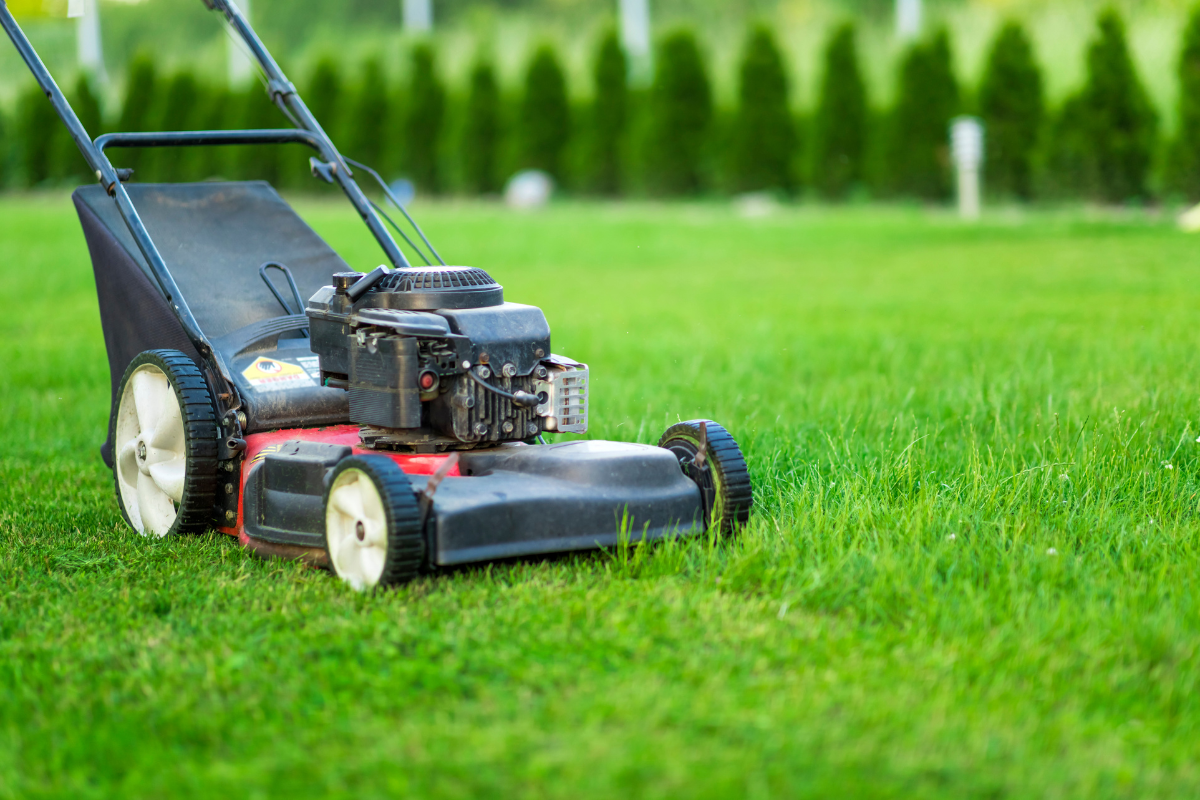
On a 12-acre corporate park I managed, strategic changes in maintenance made the largest difference. We swapped weekly turf mowing across the entire property for a zoned program: high-visibility courtyards stayed on a tight cycle, while peripheral slopes shifted to once every three weeks during slow growth periods. That single adjustment cut fuel consumption by roughly a third and extended mower life, with negligible change in appearance where it mattered.
Start with design that respects maintenance
Landscape design services set the stage for sustainable maintenance. If a plan calls for thirsty turf in hot, narrow strips between sidewalks and parking bays, no maintenance program can rescue water efficiency. A better move is to coordinate early with a landscaping company so the design anticipates how the site will be cared for year-round.
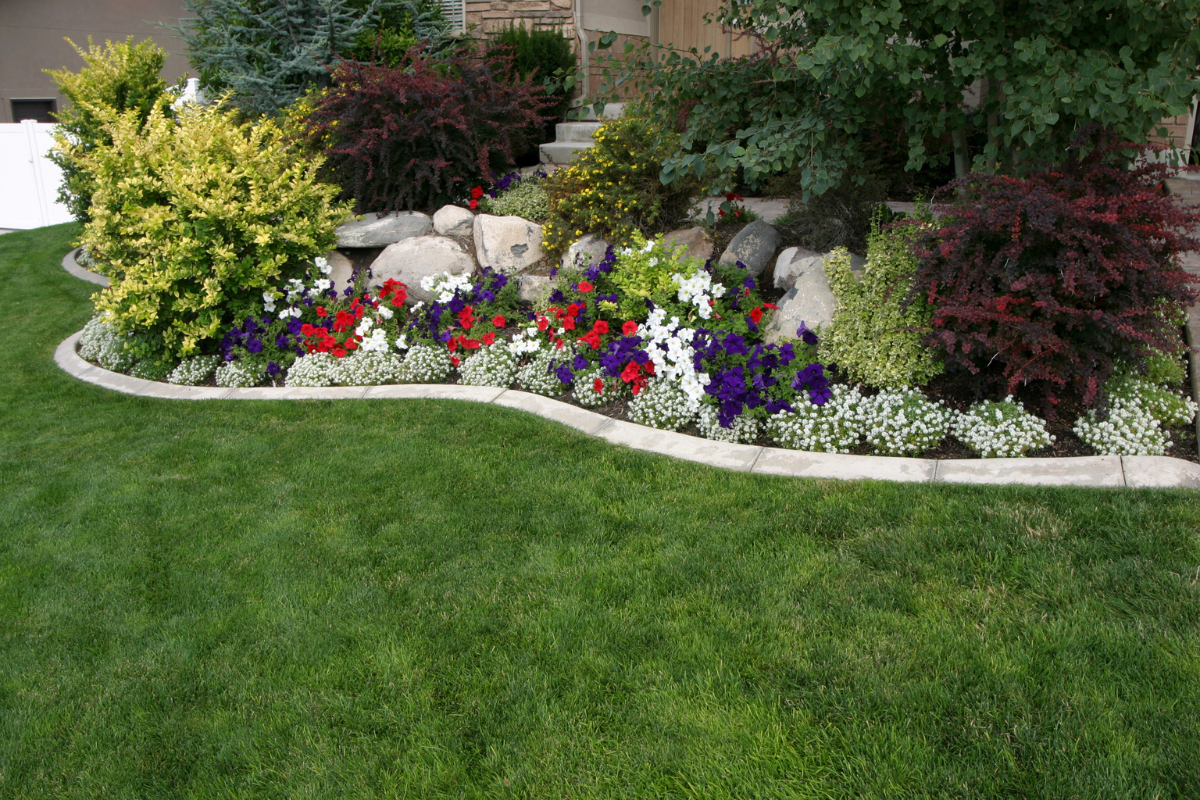
I learned to insist on three checks before a project breaks ground. First, match plant communities to microclimates on the site, not just the USDA zone. West-facing walls reflect heat and desiccate foliage, while courtyard pockets can become frost sinks. Second, limit high-input features to areas that truly justify them. A lush garden landscaping vignette at a building entry can be a focal point, but it should not dictate irrigation and fertilizer for an entire campus. Third, build in access for maintenance. If your ornamental grasses are boxed behind a hedge and a water feature, crews will trample something each time they cut them back.
When design and maintenance talk to each other, everything downstream becomes simpler. You reduce pruning by choosing mature sizes that fit. You reduce irrigation by grouping plants with similar water needs. You reduce waste by specifying durable, repairable components that crews can service without tearing out planting beds.
Soil health as the foundation
Healthy soil is not a flat substrate, it is an ecosystem. It holds water like a sponge, cycles nutrients, and buffers plant stress. I have seen compacted clay lawns drink 1.5 inches of water and return to drought stress in two days, while a nearby lawn with good structure held that same rain and stayed green for a week. The difference came from organic matter and porosity.
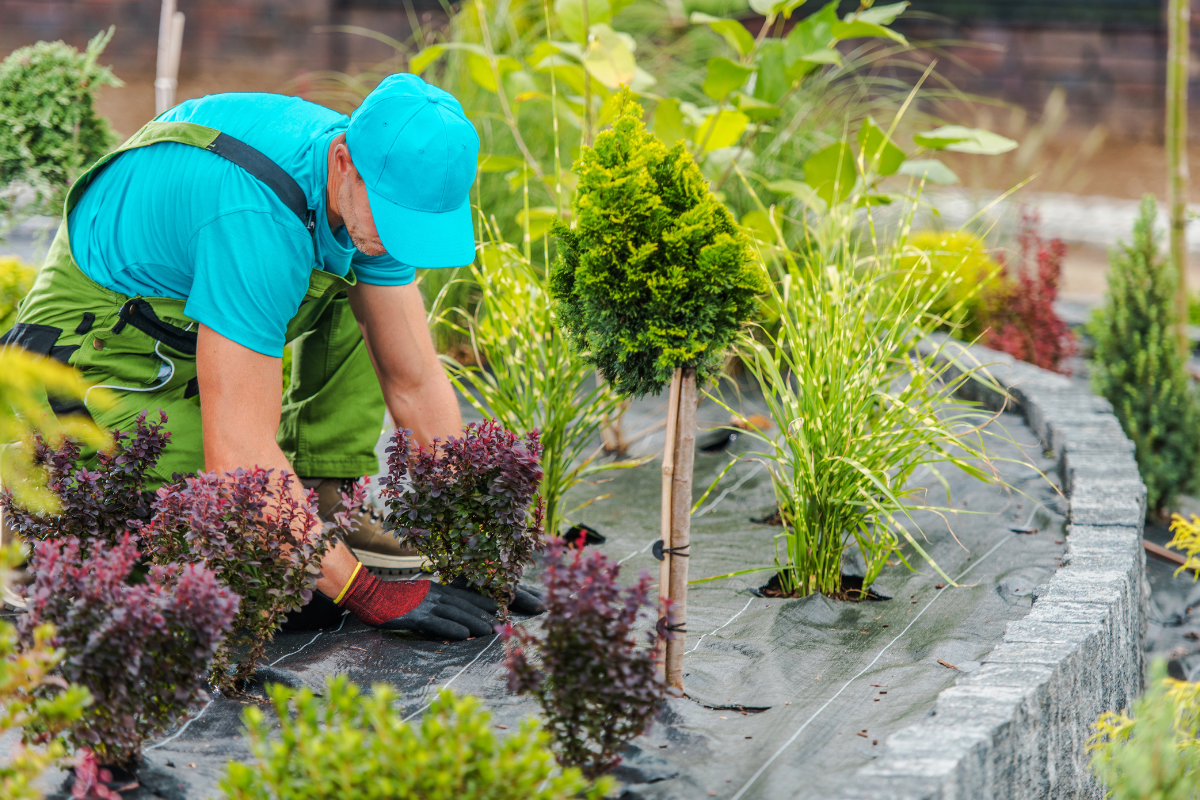
A sustainable landscape maintenance service treats soil analysis as routine, not a special diagnostic. Seasonal or annual tests for organic matter, cation exchange capacity, pH, and salinity guide amendments and prevent guesswork. Compost topdressing at a quarter-inch depth on turf, repeated twice a year, can raise organic matter by 1 to 2 percentage points over a few seasons. On shrub beds, mulching with arborist chips two to four inches deep moderates soil temperature, suppresses weeds, and feeds fungi that partner with plant roots.
Beware of quick-fix fertilizers. High-nitrogen formulas push soft growth, which attracts pests and demands more water. Slow-release, balanced nutrients applied based on test results do more with less. If you maintain turf, calibrate spreaders at least once per season. An uncalibrated rotary spreader can double-apply along overlaps, a waste that shows up as striping and runoff risk during storms.
Water with precision, not habit
Irrigation has the most visible environmental footprint. Smart watering turns a thirsty landscape into a responsible one, often without noticeable aesthetic trade-offs. Precision irrigation starts with hydrozones: grouping plants by water demand and sun exposure. Pair this with hardware and scheduling that respond to actual weather and soil conditions.
Retrofitting spray heads to high-efficiency rotating nozzles typically saves 20 to 30 percent on water by reducing fine mist and improving uniformity. For planting beds, dripline beneath mulch delivers moisture to the root zone and avoids evaporative loss. I have used moisture sensors on high-value beds to cut irrigation cycles when soil remains adequately wet after an unexpected summer storm. The savings were immediate, but more importantly, the plants grew deeper roots and recovered from heat waves faster.
Seasonal adjustment matters as much as hardware. Too many controllers run July schedules in October. An experienced landscaping service will adjust runtimes monthly, audit for leaks every quarter, and re-level or raise heads that have sunk below grade. In regions with winter freeze, proper blowout prevents cracked lines and springtime water waste. In drought-prone areas, training property stakeholders to accept a slightly more natural summer color for warm-season turf can unlock deeper water savings without sacrificing long-term health.
Pruning with purpose, not as a reflex
Routine shearing creates chronic stress. Plants respond to frequent cuts with dense outer growth and shaded, dead interiors. This invites fungal issues and necessitates even more pruning. Structural pruning corrects course. It uses cuts at branch junctions, respects the natural form, and times work to plant biology. For example, pruning spring-blooming shrubs right after flowering preserves next year’s buds. Cutting them hard in winter trades flowers for shape and vigor.
On commercial hedges, I favor a slight taper wider at the bottom than the top. It seems like a small detail, but it lets sunlight reach lower foliage and keeps hedges full down to grade. For trees, young-structure pruning in years one through five sets branch spacing and reduces lifetime costs. A twenty-minute visit with a pole pruner in year two can prevent a thousand-dollar hazard removal in year fifteen.
Crews need the right tools. Dull blades crush tissue and slow healing. Cleaning pruners with alcohol between plants can halt the spread of pathogens, a step that becomes critical when managing roses, fruiting trees, or boxwood susceptible to blight. These are small, repeatable habits that improve plant health across an entire portfolio.
Turfgrass, groundcovers, or both
Lawns deliver function for play and gatherings, but they also demand inputs, particularly in arid climates. A sustainable approach to lawn care starts by defining where turf earns its keep. On a hospital campus, we converted half of the decorative turf to meadow-style plantings, keeping resilient turf at patient drop-offs and therapy gardens where it served people directly. The shift reduced mowing hours by 40 percent and cut fertilization by half.
Where turf stays, choose a blend suited to the site. Cool-season grasses like tall fescue handle shade and foot traffic, while warm-season species such as bermuda or zoysia sip water in hot summers but go dormant in winter. Mowing height sets the tone. Taller cut heights, in the 3 to 4 inch range for many cool-season lawns, promote deeper roots and shade out weeds. Sharpen blades every 10 to 15 hours of run time. Dull blades tear leaves, leaving a gray cast that no fertilizer can fix.
Alternatives fill gaps. Clover blends add nitrogen and stay green with less irrigation. In utility strips, durable groundcovers like liriope, thyme, or dwarf cotoneaster can handle heat and reflected light better than turf. For shady corners where grass thins year after year, layered mulch and hosta, hellebore, or native sedges solve the problem with fewer inputs. Your landscaping company should be candid about these trade-offs and propose trials on small areas before scaling up.
Weeds, pests, and diseases: prevention first
Chemical control has a place, but it should not be the first move. An integrated program leans on prevention, monitoring, and targeted actions. Start by reducing bare soil and irrigation overspray, conditions that favor weeds. Mulch not only suppresses germination, it also makes hand weeding faster because roots release more easily from cool, moist soil.
Scouting is the backbone of pest management. On a 200-home HOA, we trained crews to log observations with photos right after mowing. When chinch bug damage appeared in a few lawns at the south end, we localized treatment instead of broadcasting insecticide across the entire community. Natural enemies matter too. Lady beetles, lacewings, and parasitic wasps keep aphids and scale in check if you avoid broad-spectrum sprays that wipe out friend and foe alike.
Fungus thrives on three things: susceptible plants, a pathogen, and a favorable environment. You cannot control the pathogen in the air, but you can alter the environment. Irrigate in the predawn rather than evening to dry leaf surfaces quickly. Space plants for airflow. Avoid hard shearing that creates dense outer shells where humidity lingers. When disease pressure rises, rotate fungicide classes if you must spray, and treat at labeled intervals to prevent resistance.
Right plant, right place, right scale
Plant selection is where sustainability meets beauty. The classic mantra asks you to match plant to place, but scale needs equal attention. A shrub that matures at 8 feet has no business under a 3-foot window. Constant pruning is not maintenance, it is a symptom of a mismatch. For public spaces, I favor resilient species that handle pruning and variable irrigation without sulking. On the residential side, clients often value flowers and fragrance, so irrigation and soil work must support more sensitive plants, but the mix still leans toward hardy performers.
Diversity is your insurance policy. A row of a single species becomes a buffet for any pest that likes it. Aim for variety across genera and families. After the emerald ash borer swept through a Midwestern town, streets with mixed plantings retained shade and property value, while those lined exclusively with ash lost their canopy. A landscaping service with strong horticultural chops will bring you a palette that looks good twelve months of the year, not just spring.
Materials, equipment, and waste
Sustainable maintenance also depends on the stuff you use. Recycled-content mulch and local stone reduce transport emissions. Permeable hardscape surfaces allow infiltration and reduce runoff that carries fertilizers into storm drains. Irrigation components with replaceable diaphragms and seals extend life cycles. Even string trimmer line varies in durability, and better line reduces microplastic fragments in beds and turf.
On equipment, electric mowers and blowers have matured quickly. For small properties and early-morning work near residences, battery equipment cuts noise and emissions. For large campuses, a hybrid approach makes sense: deploy electric for detail areas and hand work, keep efficient gas ride-ons for acreage until the charging infrastructure and runtime support a https://gregorywjiv587.tearosediner.net/zen-garden-landscaping-ideas-for-tranquil-spaces full shift. Two crews in our firm now run entirely on battery in dense neighborhoods, and client feedback improved dramatically simply because conversations can happen while we work.
Waste reduction begins with the cut. If you can mulch clippings and leaves into turf without smothering, you return nutrients to the system. Collected green waste becomes compost or chip mulch that cycles back to the same properties. I have yet to meet a client who regrets converting a narrow strip of struggling turf into a decomposed granite path with a band of drought-tolerant perennials. It removes the least efficient mowing pass and creates a neater edge that crews maintain faster.
Seasonal rhythms that save resources
Every region carries its own calendar, but a few rhythms repeat. Spring favors soil work, edge resets, and smart irrigation startup. Summer demands water monitoring, mowing discipline, and pest scouting. Fall becomes the time to feed soil, plant woody material, and set the structure of beds for winter. Winter invites tool maintenance, training, and planning.
A property that thrives year after year typically runs on a maintenance plan that is visible, not just in a contractor’s binder. Site maps show zones, hydrozones, and plant communities. Controller settings are documented. Fertilizer and pesticide applications are logged with dates, weather, and rates. This discipline reduces mistakes when crew members change and builds accountability that clients appreciate.
Measuring performance and telling the story
Sustainability only sticks when you can show what changed. Track metrics that matter. Water use per irrigated acre before and after retrofit. Fuel consumption by crew and route. Green waste diverted to compost. Plant replacement rates. Safety incidents and noise complaints. On one municipal contract, we set a baseline of 1.2 million gallons per year across four parks. After nozzle retrofits, controller programming tied to evapotranspiration, and leak repairs, we averaged 760,000 gallons over the next two seasons, a reduction of roughly 37 percent. The city published those numbers, and public support for further changes grew.
Communication helps on the small scale too. If you shift a client’s garden landscaping from high-shear boxwoods to a looser mixed border, show them renderings and seasonal photos of similar sites. Explain maintenance differences in plain language. Many concerns dissolve when people understand what to expect.
Choosing a landscaping company for sustainable care
Hiring for sustainability is about more than a green logo. Look for evidence in the way a landscaping service operates. Do they audit irrigation and provide written results? Can they speak to soil tests and amendment schedules? Are crews trained in plant identification and right-time pruning? What equipment do they deploy for different site conditions? How do they handle green waste? Proof beats promises. Ask for case studies with data, not just pretty photos.
Pricing will reflect capability, but sustainable maintenance does not always cost more. It often costs less across a full year once water, fuel, plant replacement, and call-backs are included. A vendor who offers landscape design services in-house or collaborates closely with designers can solve problems at the root rather than papering over them with more labor.
Two simple checklists to align design and maintenance
- Design alignment quick-check: group plants by water need, size to fit at maturity, provide access for pruning and irrigation service, plan soil improvement before planting, and specify durable materials that crews can repair. Maintenance essentials quick-check: calibrate spreaders and controllers seasonally, prune to structure not shape alone, scout and log pests weekly, mulch to depth and replenish annually, and track water and fuel use with simple metrics.
The human factor
Even the best plan falls short without attention and pride on the ground. I have watched the same site swing from ragged to refined simply by assigning a consistent foreman who cares about details. He learned the hot spots where emitters clog, the shady stretch that dries slowly after storms, the client’s preference for tighter edges along walks. Sustainability thrives on this memory and intention. It is not about doing less, it is about doing the right things at the right time with the right intensity.
This is where training and culture inside a landscaping company show. Crews that understand plant behavior and system function make fewer heavy-handed moves. They ask why a lawn thins before reaching for seed, why a shrub keeps scorching before opening the controller. They know when to say no, like skipping mowing during a heat dome to avoid scalping stressed turf. That judgement is earned through seasons, mistakes, and learning, not through slogans.
Bringing it together on a real site
A coastal condominium complex came to us with rising bills and declining curb appeal. The site had patchy turf, overgrown foundation shrubs, a leaky irrigation network, and a constant sheen of dust from string trimming bare edges. We approached it in layers rather than a disruptive overhaul. Month one, we audited irrigation, capped unused heads, and corrected pressure at the mainline. Month two, we topdressed the worst lawn sections with compost, raised mowing height, and set a biweekly schedule on low-growth zones. Month three, we thinned foundation shrubs with structural cuts and removed those perpetually fighting windows and eaves. Month four, we converted a 400-foot strip of turf along a southern wall into a gravel path with drought-tolerant perennials and dripline.
Within the first six months, water use dropped by about 30 percent, the lawn evened out with fewer weeds, and the board stopped receiving noise complaints from early morning blowers because crews spent less time cleaning grass clippings off walks. The budget did not change much. We simply shifted hours from rework to root-cause fixes. Residents noticed the calmer, cleaner feel long before they saw the water bill.
Where to invest first
If you are unsure where to begin, pick the levers with the highest return. Irrigation optimization typically leads the list. It saves money and improves plant health. Soil improvement comes second, because it multiplies the benefit of every drop of water and granule of fertilizer. Pruning practices come third, since they influence plant vigor and future labor. Equipment upgrades and turf conversions follow, timed with replacement cycles and budget windows.
Your landscape is a living system. It will not turn on a dime, and that is fine. Small, steady changes compound fast. A single season of better mowing height, smarter water, and compost can reset struggling turf. A year of thoughtful pruning can reveal the intended form of a shrub that had been reduced to a box. Two years of drip irrigation and mulch can transform a sun-baked bed into a resilient, flowering anchor.
Sustainable landscape maintenance is not a trend, it is a craft. It respects plants, soil, water, and the people who care for them. With a clear plan, a skilled landscaping service, and a bit of patience, you can have a site that looks good on the best days and holds up on the worst, while using fewer resources every season.
Landscape Improvements Inc
Address: 1880 N Orange Blossom Trl, Orlando, FL 32804
Phone: (407) 426-9798
Website: https://landscapeimprove.com/