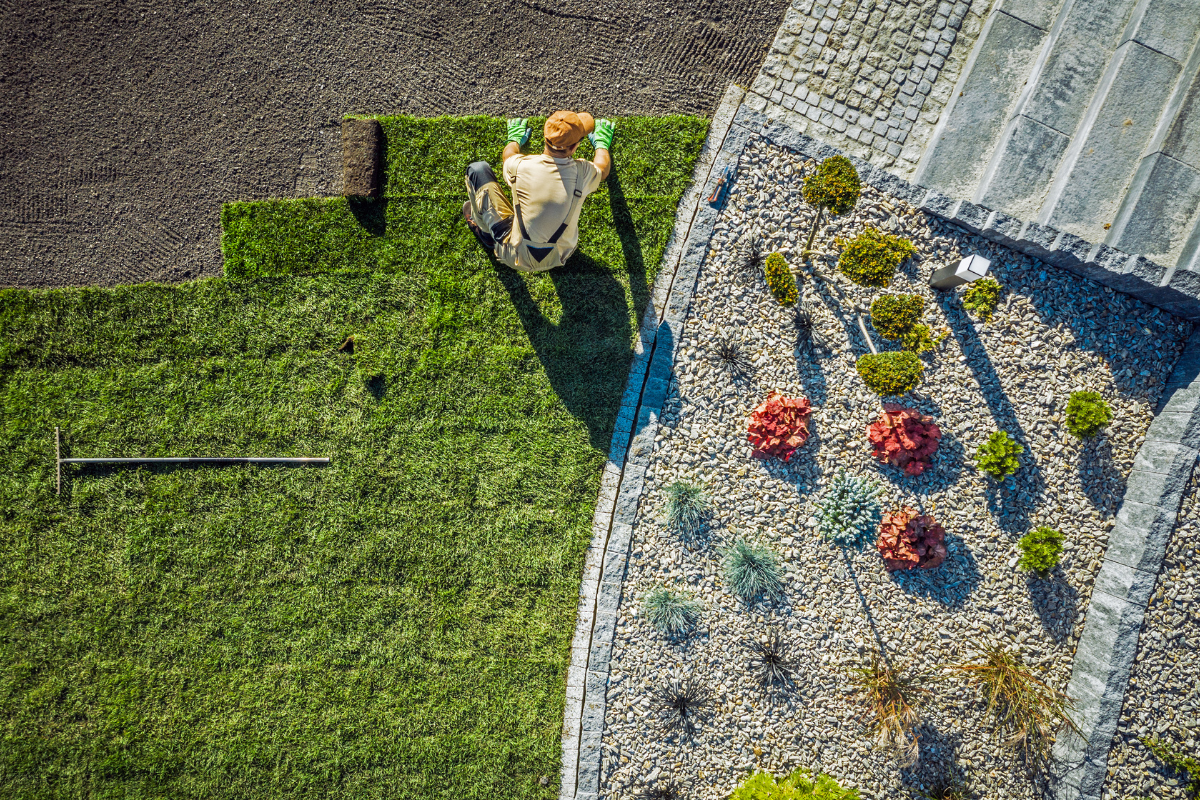
Minimalist front yards look simple on the surface, yet they succeed only when every element is doing quiet, deliberate work. The strategy is subtraction: fewer species, restrained materials, purposeful negative space, and a clear story that begins at the curb and ends at the threshold. Done right, a minimalist approach lowers maintenance, uses water more wisely, and makes the architecture feel intentional. Done poorly, it can read as barren, under-scaled, or sterile. The difference lives in proportion, pattern, and the patience to edit.
I have walked clients through new-build lots where everything felt raw and oversized, and I have tuned decades-old gardens that had accreted so many plants and pavers that the house looked hidden. In both cases, minimalism offered clarity. The work was not about adding features. It was about choosing the few that mattered and giving them room.
What minimalism really means in a front yard
Minimalist design is not the absence of planting, color, or comfort. It is the careful reduction of visual noise. The yard has strong structure, legible routes, and limited textures deployed with confidence. You keep the palette tight, but you play with form: alternation of solids and voids, aligned edges, and controlled repetition. That might mean a single species hedge clipped level with the low sill, or a trio of small ornamental trees casting patterned shade on a pale gravel field.
Clients sometimes worry that minimalist landscaping will feel cold. The remedy is scale and detail. A monolithic slab walkway can look severe, but if the joints align with the window mullions and the surface carries a light sandblast that catches late sun, the effect is quietly rich. A rectangular lawn panel can feel like a putting green if it floats in blank surfacing, yet it becomes welcoming when framed by soft swaths of thyme and feather grass that drift in wind.
Minimalism also respects maintenance realities. If you are tired of spending Saturday mornings on lawn care, replace expanses of turf with evergreen groundcovers or permeable hardscape. If pruning overwhelms your calendar, specify plants that hold shape naturally and grow slowly. The less you fight biology, the more effortless the yard feels.
Start with the architecture, not the plant list
A minimalist front yard is an extension of the facade. Before choosing a single plant, study the house. Note the lines that want to continue into the landscape: the eaves, the porch slab, the edges of the driveway, the rhythm of windows. Good landscape design services translate those cues into walkway alignments, plinth heights, and bed geometry.
On a midcentury ranch with a long, low roofline, horizontal gestures dominate. We might select a broad, shallow entry path of oversized pavers, then plant a shoulder-height hedge to underline the facade. On a narrow contemporary infill with vertical emphasis, a slender path that aligns with a tall pivot door, flanked by columnar plantings, keeps the energy upright.
Color temperature matters. If the cladding is cool - white render, charcoal brick, blackened steel - you can lean on grey gravels, blue-green foliage, and crisp concrete. If the exterior has warm tones - buff stone, cedar, olive stucco - soften the palette with tan decomposed granite, brass accents, and plants with tawny seed heads that echo the building.
A good landscaping company will often pull a tape measure and sketch the site lines on the spot. Those quick measurements prevent missteps like planting a specimen tree where it will block a key window or sizing the entry steps out of proportion with the doorway. Even a few inches off can break the minimalist spell.
Spaces, not features: sequence from street to door
People experience the front yard as a sequence, not a snapshot. The curb sets expectations, the parking zone balances function, the approach path carries the narrative, and the threshold seals it. Minimalism heightens this sequence because there are fewer distractions.
The curb zone asks for clarity and legibility. House numbers that read at night, a mailbox that belongs to the material palette, and a clean edge between public and private realms. A low wall or hedge at 24 to 30 inches can define territory without feeling defensive. If you are on a busy street, set that edge back just enough to allow a shallow planting bed that softens the sidewalk.
Parking should recede visually. Concrete that matches the walkway, or a tightly jointed permeable paver in a neutral tone, keeps movement uninterrupted. Avoid fussy borders or multiple paver patterns. If you need a dedicated landing for unloading, widen the drive discreetly near the entry rather than flaring it at the curb.
The approach path deserves the best materials and the cleanest geometry in the whole project. I like a path that feels slightly generous underfoot - 48 inches minimum, 54 to 60 inches if space allows - so two people can walk side by side without brushing planting. Long rectangular slabs, set with tight consistent joints, help stretch perspective. If the site slopes, integrate low risers with deep treads rather than short abrupt steps. Lighting should be architectural, not decorative: low glare, warm white, shielded, and placed where it reveals form.
At the threshold, let the landscape taper its intensity so the front door becomes the clear focal point. A single container with a structural evergreen or an architectural boulder placed with intention can be enough. The moment you add two or three of everything, you dilute the effect.
editing the plant palette
Minimalist planting reads like a poem with only a handful of words. The trick is to pick plants that carry weight through texture, form, and seasonal change. They must also fit your climate and microclimate, or you will spend your budget and weekends fighting nature.
Evergreens provide backbone. In mild climates, consider clipped Myrtus communis ‘Compacta’, Teucrium fruticans, or coastal rosemary for hedging. In colder zones, boxwood cultivars like ‘Green Mountain’ or inkberry holly hold a clean line. For upright punctuation, use columnar yews or skyrocket junipers with restraint.
Grasses and grass-like plants bring movement. A band of Sesleria or Hakonechloa under a minimalist facade softens edges without turning messy. In hotter, drier regions, Muhlenbergia, Bouteloua, or Lomandra strike the balance between drought resilience and neat form. Grasses need annual or biannual cutbacks, which is straightforward if you plant in large drifts rather than scattered clumps.
For groundcover, scale matters. Creeping thyme, Dymondia, or Juncus patens ‘Elk Blue’ can knit spaces at ankle height. In colder climates, Pachysandra terminalis or creeping phlox perform, though they skew traditional. If deer pressure is heavy, choose scented or tough-leaved species. Deer tolerance lists are imperfect, but after years of projects I have seen lavender, rosemary, and many artemisias hold their own.
Flower color is a lever you pull sparingly. A minimalist garden can still bloom, yet repeated, restrained color reads better than a rainbow. White, soft blues, and chartreuse are easy partners for contemporary materials. If clients crave brighter notes, I locate them near the door where they are enjoyed up close, and keep the curb view calmer.
Large shrubs and small trees anchor the composition. Three to consider: olive or its cold-hardy lookalikes for silvery texture, Amelanchier for four-season interest in colder zones, and Japanese maple for delicate form where sun and wind are moderate. On small urban sites, multi-stemmed forms feel sculptural, casting patterned shade onto hardscape without dominating.
The biggest error I see from DIY efforts is buying one of everything. If you want order, think in swaths. Repeat the same plant across multiple beds. Repeat the spacing, the pruning height, the density. Plants behave better when packed at the right intervals: tight enough to shade their own roots and suppress weeds, not so tight they become leggy or diseased.
materials that carry the intent
Materials in a minimalist yard do more than look good. They manage drainage, control maintenance, and lend durability. Choose a short list and repeat them. Three materials, plus metal accents, is typically enough.
Concrete remains the workhorse. Poured-in-place slabs with clean saw cuts alignable to architectural features tend to outlast modular pavers and feel calmer underfoot. A light sandblast or acid wash softens glare. If you are in a freeze-thaw climate, specify air-entrained mixes and proper subgrade preparation. Saw cut joints should honor a clear module, often 24 to 48 inches, and carry through the whole front yard so the pattern reads as a single thought.
Gravel and decomposed granite add permeability and texture. The key is confinement with metal edging, a compacted base, and an understanding of how the surface will age. Stabilized binders reduce tracking, but they can change color slightly and will need top-ups every few years. Gravel’s sound underfoot can be either a feature or a flaw; near bedrooms, I avoid it to keep nighttime arrivals quiet.
Steel edges and planters are powerful lines in a minimalist palette. Cor-ten, allowed to weather to a consistent patina, frames beds and steps crisply. Keep edges flush where paths meet the street to avoid trip hazards. Powder-coated aluminum works when rust run-off is a concern near light-colored paving.
Timber belongs when the architecture asks for warmth. Thermally modified ash, ipe, or responsibly sourced cedar can build benches or riser faces that temper the stone and metal. The finish will https://claytonrlfe217.yousher.com/rain-gardens-eco-friendly-landscaping-solutions drift toward silver unless you commit to annual oiling. In the front yard, where people linger less than in back yards, I often let wood weather gracefully.
Irrigation hardware, lighting fixtures, and drainage grates need equal restraint. Choose a single trim finish, recess where possible, and avoid decorative bollards. Linear slot drains align nicely with minimalist geometry and vanish visually when placed at slab transitions.
water, soils, and the quiet success of maintenance planning
Minimalism thrives when plants are healthy and growth is predictable. That means the unglamorous backbone of soils and water has to be right. A landscape service that skimps here will leave you with a beautiful yard for a season and headaches thereafter.
Compaction around new builds is the number one hidden issue. Subcontractors park on the soil and crush pore structure. Before planting, rip or till to the depth your equipment allows, then add compost modestly, not as a blanket. Many modern natives and Mediterranean species prefer leaner soils. Over-amendment creates a plush top zone that dries out fast and collapses over time.
Irrigation should be zoned by plant need and exposure. Drip lines under mulch give clean delivery with minimal evaporation. Keep turf, if you retain any, on its own zone. Avoid overhead spray near walls and windows. Smart controllers that adjust for weather help, but they are not a substitute for a seasonal walkthrough. Twice a year, turn on each zone, watch for clogged emitters, and check that plant growth hasn’t lifted lines out of mulch.
Mulch is not just about weed suppression. It is a visual field. In minimalist gardens, a single mulch type repeated across beds keeps the ground plane calm. Choose between a fine shredded bark in climates where it will not blow away, or a mineral mulch like 3/8 inch gravel where fire risk, termites, or wind argue against organics. Maintain mulch depths between 2 and 3 inches to avoid smothering crowns.
Landscape maintenance services should follow a calendar focused on light-touch, high-impact tasks. In winter or early spring, cut back grasses in one clean session. In late spring, shear hedges once to set the line, then lightly touch up as needed to keep growth tight. Weed suppression is about density and vigilance. A half hour every other week beats a six-hour slog in midsummer. Fertilizer use should be conservative. Most shrubs and grasses in minimalist palettes need little beyond healthy soil and steady moisture.
rethinking lawn in a minimalist front yard
Turf is often at odds with minimalism. It demands weekly attention, water, and fertilizer, and it visually spreads unless you frame it hard. When clients want some green softness underfoot, I suggest a single framed panel sized to geometry, not property lines. Keep it crisp, possibly set slightly below hardscape to hide the mowing edge and prevent clippings from bleeding onto paths.
Alternatives can deliver the same calm. A mat of Carex pansa in coastal climates gives the look of a meadow cropped short, but it does not love heavy foot traffic. Thyme lawns suit sunny, dry sites and release scent when walked on, yet they need a season to establish and despise shade. In shade, moss or low-growing ferns can make magic, provided irrigation is tuned carefully.
From a lawn care standpoint, a smaller panel reduces the chore list dramatically. A battery mower stored in the garage becomes enough, and your fertilizer calendar can shrink to a light spring application or none at all. If you hire a landscaping service for weekly visits, ask whether they can shift to a biweekly schedule once the minimalist planting fills in. Many companies will adapt when the yard simply needs less.
climate sense: drought, storms, and the front yard
Minimalism pairs naturally with climate-responsive design because it favors efficiency over excess. In drought-prone regions, reduce irrigation demand with plant communities adapted to local weather. Layer species by water need, keeping the thirstier ones close to the door where microclimates are gentler and human attention is higher.
Hard surfaces should tilt to manage water. A 1 to 2 percent pitch away from the house toward a gravel band or rain garden keeps foundations safe and feeds plants where they benefit. Permeable pavers or gravel set areas capture and infiltrate stormwater that would otherwise rush to the street. If you integrate a rain chain or scupper, direct it to a basin that doubles as a design focal point. This is not decoration; it is functional art that proves its worth during the first big storm.
Fire-wise design matters in dry regions. Replace fluffy mulches near the house with mineral groundcovers. Keep plant masses spaced with small noncombustible breaks, and avoid resinous shrubs directly against siding. Your landscaping company should be conversant with local defensible space guidelines. You can still maintain a minimalist aesthetic while meeting safety criteria.
light, night, and privacy
Minimalist front yards often live close to public view. Privacy is not only about blocking sightlines; it is about managing attention. A low hedge that filters, a strategically placed small tree that blurs the window view, and a lighting plan that pools gently on the ground instead of spotlighting glass all reduce the sense of exposure.
Warm light in the 2700 to 3000 Kelvin range flatters plants and architectural materials. Aim for subtlety: a few in-ground washes on the facade, step lights tucked into risers, and occasional accents on sculptural trunks. Avoid overlighting. The goal is safe passage and a calm nighttime presence, not a showroom. Glare breaks minimalism immediately.
For windows near the ground plane, plant soft textures that make movement in breeze. The human eye notices motion, then relaxes when it reads it as natural. This is a quiet trick used in garden landscaping to make a street-facing room feel less on display without resorting to tall barriers.
costs, phasing, and how to work with a pro
Minimalist front yards can be surprisingly cost-effective because they use fewer materials and fewer plant varieties. But the places where you spend money matter: subgrade preparation, quality concrete work, irrigation that does not leak, and mature enough plant material to read correctly from day one. I often advise budgeting 10 to 20 percent of the project for unseen infrastructure. It is the difference between a landscape that looks perfect for a year and one that looks composed for a decade.
Phasing helps when budgets are tight. Start with hardscape and grading. Put irrigation sleeves under paths so you can add lighting or plant zones without cutting into new work. Plant the structural elements next: trees, hedges, and any major evergreen masses. Finish with infill groundcovers and grasses as the second phase. If material substitutions are needed to hit numbers, stay within the palette. Swapping a premium grass for a more available lookalike is less risky than introducing a new stone color that disrupts the whole composition.
When selecting a landscaping company, look at their built work, not just concept sketches. Minimalist projects reveal the craft. Are the joints straight, are the edges true, do plants hold the lines six months later? Ask how they handle landscape maintenance services after installation. The best firms offer a light-touch program that preserves the design intent rather than defaulting to hedge balls and weekly shearing.
If you plan to handle care yourself, get a one-page maintenance map from your designer. It should state pruning windows, cutback timing, irrigation run times by season, and fertilizer notes. This reduces guesswork, keeps the minimalist structure crisp, and avoids the all-too-common drift toward busy planting as replacements creep in.
examples from the field
A narrow 20-foot frontage in an urban setting offered no place to hide. We eliminated lawn altogether. The path became a single run of four-foot-wide concrete slabs with a 3/8 inch reveal every four feet, aligned to window mullions. On one side, a three-foot band of 3/8 inch black basalt gravel with repeating clumps of blue fescue. On the other, a hedge of dwarf myrtle clipped at 30 inches. A single multi-stem Japanese maple, offset from the door, threw lacey shade. Maintenance for the first year required monthly weeding and seasonal hedge clipping. Three years later, the yard still looks new because the structure left no room for clutter.
Another project sat on a corner lot with a midcentury home. We kept a 12 by 18 foot lawn panel framed in steel, then set it flush with the surrounding decomposed granite. Two olives, limbed to six feet, bookended the facade. The driveway used the same decomposed granite with concrete wheel strips to minimize impervious surface and hold the minimalist language. The client, who had previously paid for weekly lawn care, cut visits to twice a month and reported water bills dropped by roughly a third during summer.
In a colder climate, a front yard used a clipped inkberry hedge to tuck the foundation, a panel of dark clay pavers for the entry, and swaths of switchgrass that stood through winter with tawny character. Snow cleared cleanly from the pavers, the grasses cut back in March, and the garden offered interest year-round without bright colors or complex maintenance.
a brief planning checklist for clarity
- Define the geometry from the architecture: align paths, steps, and joints to facade lines. Reduce the palette: three hardscape materials, six to eight plant species at most. Budget for infrastructure: subgrade, drainage, irrigation, and lighting conduits first. Size the path for comfort: 48 inches minimum, with even, consistent joints. Map maintenance: seasonal tasks and pruning windows that preserve form.
pitfalls to avoid
- Treating minimalism as emptiness. A void needs an edge and a purpose or it reads unfinished. Mixing too many textures. One standout stone with a quiet partner beats three competing surfaces. Planting for the nursery pot, not the mature size. Overcrowding forces corrective pruning that ruins clean lines. Ignoring microclimates. The sunnier, hotter side needs tougher species; shade tolerators will sulk in afternoon sun. Under-lighting steps and over-lighting plants. Safety first, drama second.
where services fit and when to DIY
Some aspects reward DIY effort: planting groundcovers, spreading mulch, even clipping a low hedge if you enjoy it. Others are better left to a professional landscaping service. Concrete finishing, irrigation design, and drainage require experience and equipment. A good pro will help you avoid costly rework and make the minimalist concept read from day one.
If you hire landscape design services, bring a short brief that states three priorities, three dislikes, and your tolerance for maintenance. Saying you want a calm modern front with no hedge balls, low water use, and a single focal tree is more helpful than bringing a dozen Pinterest boards. Ask how they will phase the project if needed, and request a plant list with mature sizes and spacing guidance so the maintenance team understands the intention.
If you already have a yard and want to transition toward minimalism, start by editing. Remove one-third of the plants, starting with the weakest performers or the ones that duplicate roles. Consolidate survivors into larger masses and repeat them. Replace the mottled mulch palette with a single, consistent ground plane. Redraw bed lines with metal edging so they read crisp. These moves cost less than a full rebuild and often deliver 70 percent of the minimalist feel.
measuring success over time
The best minimalist front yards get better as plants settle. By the second year, hedges knit, grasses find rhythm, and paths belong. You should feel a sense of calm every time you arrive home. Visitors should find the door without asking where to go. Water and maintenance inputs should be stable or falling. If the yard starts to feel busy, resist adding. Instead, prune, edit, or rethink a single underperforming element.
Maintenance is a conversation with growth. Keep records. If a plant constantly needs correction to fit the line, replace it with one that naturally holds shape. If a material stains or heaves, address the cause rather than hiding it with pots or decor. Minimalism leaves nowhere to stash mistakes, which is precisely why it works: it forces decisions that pay you back daily.
The front yard is the handshake between home and street, and minimalism makes that handshake firm, clear, and memorable. With a disciplined palette, careful geometry, and a maintenance plan that respects biology, the space can look effortlessly composed for years. Whether you partner with a landscaping company end to end or take on pieces yourself, a minimalist approach will reward restraint and attention to craft far more than novelty.
Landscape Improvements Inc
Address: 1880 N Orange Blossom Trl, Orlando, FL 32804
Phone: (407) 426-9798
Website: https://landscapeimprove.com/