You can have a yard that looks composed every day without turning your weekends into a second job. The trick is designing the landscape to do more of the work for you. Low-maintenance is not code for bare or boring. It means making smart decisions at the start, then relying on plants, materials, and systems that need minimal intervention while still delivering curb appeal and functional outdoor space. As a landscaping company that has rescued more than a few overgrown yards and overscheduled homeowners, we’ve seen what holds up through heat, cold, neglect, and surprise soccer games. The right landscape design services will engineer an attractive outdoor environment that fits your life, not the other way around.
What “Low-Maintenance” Really Means
The phrase gets tossed around so much that it has lost some meaning. For a landscape service, low-maintenance is measurable. It shows up as fewer hours per month spent on lawn care and trimming, fewer contractor visits over the year, and a smaller water bill. It means plants that can go two to three weeks between thorough waterings once established, hardscapes that sweep clean in minutes, edging that keeps mulch where it belongs, and irrigation that runs itself.
In practice, a well-designed low-maintenance yard typically requires seasonal touchpoints rather than weekly chores. Spring is for top-dressing beds, testing irrigation, and checking tree stakes. Mid-summer means one pruning pass for shape and clearance. Fall handles leaf management and a quick mulch refresh. The rest of the time, you step outside to enjoy the space rather than service it.
Start With the Site, Not the Wish List
Every project starts with how the property behaves. Sun angles, soil composition, drainage patterns, and wind exposure dictate what will thrive with minimal care. A good landscape design service will walk the site at different times of day, shoot grade elevations where water lingers, and grab a few soil samples. We see recurring issues:
- A front lawn that enters dormancy every July because reflected heat from the driveway bakes it by noon. Beds that slump after storms because the soil is more silt than loam, leading to compaction and weeds. Shadow pockets along the north side where grass always thins, no matter how often it is reseeded.
These conditions don’t doom you to constant work. They point toward different solutions. On hot south and west exposures, we choose heat-tolerant groundcovers or a courtyard of permeable pavers and containers. In shaded zones, we stop fighting for grass and lean into textures of shade-loving shrubs and ferns. In compacted soils, we plan for aggressive amendment once, plus a permanent solution such as raised beds or a gravel garden that welcomes runoff rather than losing soil with each storm.
Lawn: Right-Sizing the Green Carpet
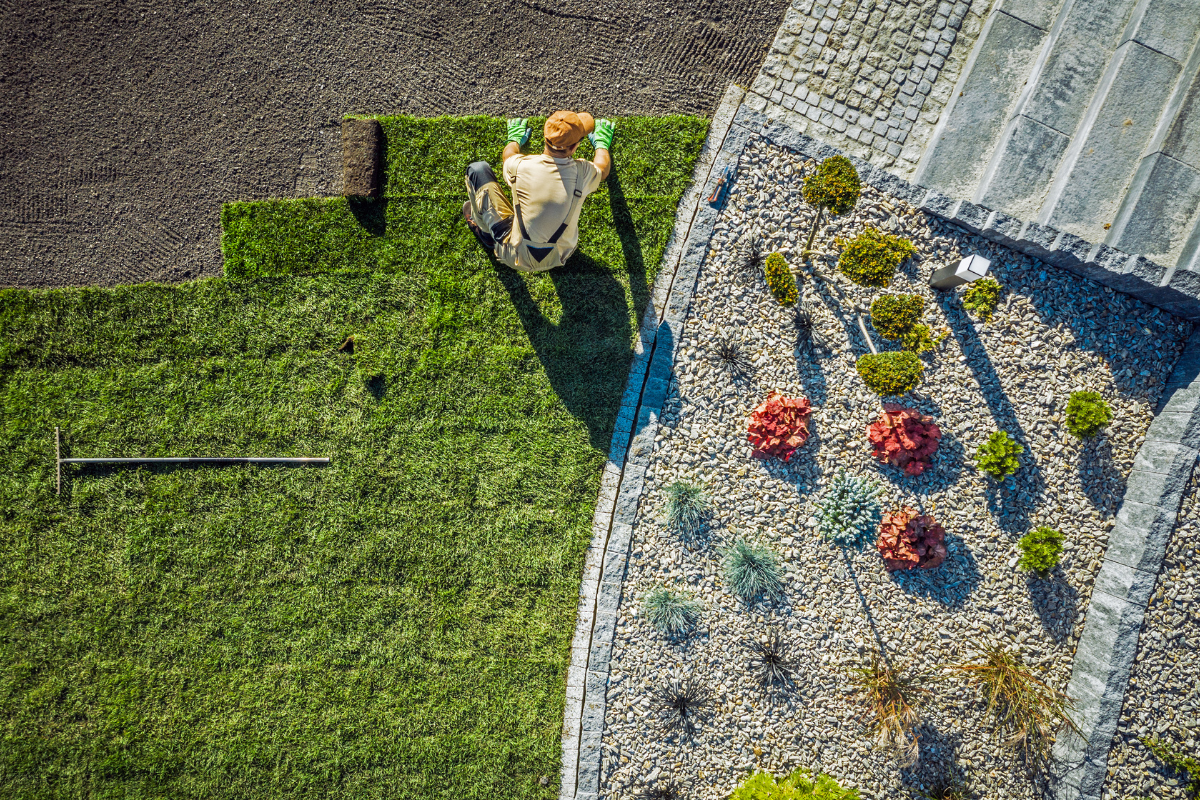
Lawn care consumes most of the average homeowner’s outdoor time. That is why low-maintenance landscapes usually shrink the lawn on purpose. There is no mandate to rip it out, but right-sizing saves hours. We aim for lawn where it has purpose: a play strip for kids, a soft apron around a patio, or a cool visual run down a gentle slope. Elsewhere, we replace it with planting beds or hardscape that hold their shape.
Grass type matters. In the transition zone of the United States, we weigh tall fescue blends for lower inputs, or consider warm-season options like zoysia for south-facing slopes because they shrug off heat with less water. In arid regions, we have moved many clients to native buffalo grass or hybrid turf alternatives that need a third of the irrigation. A well-tuned irrigation system and a mowing height set higher than most people expect, typically 3 to 4 inches for cool-season turf, will reduce weed pressure and watering needs.
If you decide to minimize lawn, plan clean lines for the new layout. Curves look beautiful, but too many tight arcs increase edging and trimming time. We prefer long, relaxed curves that can be handled with a standard mower without extra touch-ups.
Plant Palettes That Behave Themselves
Pick plants you could ignore for a week or two without regret. That starts with matching the plant to the site, then choosing species and cultivars with tidy habits. A “well-behaved” shrub keeps its shape without constant shearing, resists common pests in your area, and doesn’t drop a mess every month.
We build plant lists around layered structure. Upright evergreen screens mark property lines and mask utilities. A mid layer of flowering shrubs and grasses carries the show through the seasons. Groundcovers knit the soil surface and block weeds. For our clients in hot-summer climates, we lean on a combination like little bluestem, spirea, abelia, coneflower, and thyme. In coastal areas, rosemary, pittosporum, lomandra, and arbutus handle salt and wind with minimal fuss. In colder regions, boxwood alternatives such as inkberry holly or dwarf aronia avoid disease issues, while panicle hydrangeas offer a long bloom window with little pruning.
Native and regionally adapted plants usually win the maintenance contest because they are already tuned to local rainfall and seasons. That said, “native” does not automatically mean easy. Some natives seed aggressively. Others demand lean soils that most garden beds don’t have. We use natives as anchors, then mix in proven non-native workhorses to round out the palette.
Size at maturity is non-negotiable. Many pruning headaches start with a cute little shrub tucked under a window that wants to be a small tree in five years. If a plant’s mature width is eight feet, give it eight feet, or choose a smaller cultivar. Better to buy the right plant once than fight it with shears forever.
Soil First, Then Mulch
Every hour spent improving soil at installation saves five down the road. We routinely loosen compacted beds to a depth of 8 to 10 inches and blend in compost at 20 to 30 percent by volume, then add a slow-release organic fertilizer according to soil test results. In heavy clay, we sometimes raise beds a few inches and use pine fines to improve structure. The goal is a root zone that holds moisture without suffocating roots.
Mulch is the second line of defense. Shredded bark or pine straw stabilizes temperatures, slows weeds, and keeps moisture in. We prefer a 2 to 3 inch layer, refreshed lightly each year. Thicker mulch invites vole tunnels and can suffocate shallow-rooted plants. In windy sites or near downspouts, we switch to a heavier shredded hardwood that locks together, or to a mineral mulch like gravel in areas that are prone to washouts.
Irrigation That Runs Itself, Not Your Life
Automated irrigation turns low-maintenance from concept to reality. The best systems remain simple. A smart controller paired with zone-specific schedules, pressure-regulated heads, and matched precipitation rates keeps water where it belongs. We separate lawn zones from shrub and bed zones so we can water deeply and less frequently in planted beds while giving turf the more regular sips it needs during peak growth.
Drip irrigation for planting beds is a game changer. It delivers water at the soil surface, under the mulch, which reduces evaporation and discourages foliar disease. For long runs, https://devinbveu336.image-perth.org/lawn-care-myths-debunked-by-experts we specify pressure-compensating emitters to ensure the first and last plant receive the same volume. In windy corridors, we eliminate sprays entirely and rely on subsurface systems.
A quick anecdote to illustrate: a client with a 9,000 square foot lot watched water bills drop by roughly 30 percent after swapping three mist zones for drip and adjusting runtimes by soil type. Maintenance went down, too, because the new system eliminated overspray on the fence and reduced weed germination in the gravel paths.
Hardscape: Permanent Solutions With Minimal Upkeep
Hard surfaces shape a yard and erase chores, but material selection matters. We favor permeable pavers or properly graded concrete for walkways and patios because they stand up to foot traffic and shed water predictably. Natural stone is beautiful, yet it can shift with freeze-thaw cycles if not set on a well-prepared base. For busy homeowners, interlocking concrete pavers often hit the sweet spot between appearance and durability, with the added benefit that damaged pieces can be lifted and replaced without tearing up a slab.
Gravel has its place, particularly in side yards and low-traffic areas, but it needs containment. We specify rigid steel or aluminum edging so the stones don’t creep into lawns. In leaf-heavy neighborhoods, gravel can trap debris and require blowing or raking. If you hate that chore, a compacted fines path or broom-finished concrete might make more sense.
Composite decking earns its low-maintenance badge by resisting rot and splinters. It still needs cleaning once or twice a year, especially in shaded or damp locations where algae can bloom. We advise clients to plan hose bibs and power outlets near decks and patios to make that cleaning fast.
Bed Edging and Weed Control That Last
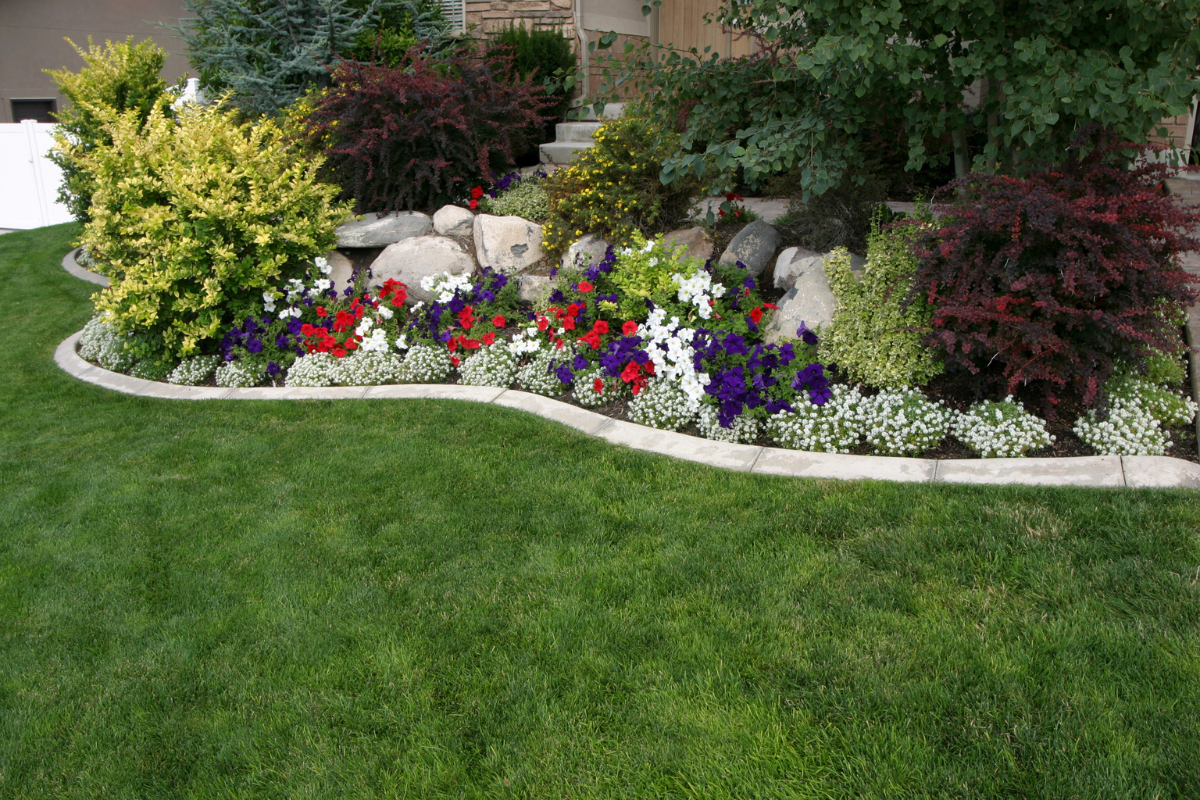
Crisp edges between lawn and beds create a visual cue of order. They also stop mulch washouts and reduce hours with a string trimmer. Steel edging installed at grade lasts decades and resists mower impacts. Concrete curbing is durable and neat, but it is harder to modify if you later rework the plan. For a more natural look, we cut a spade edge into the soil and refresh it each spring. This method looks good and costs little, though it needs annual touch-ups.
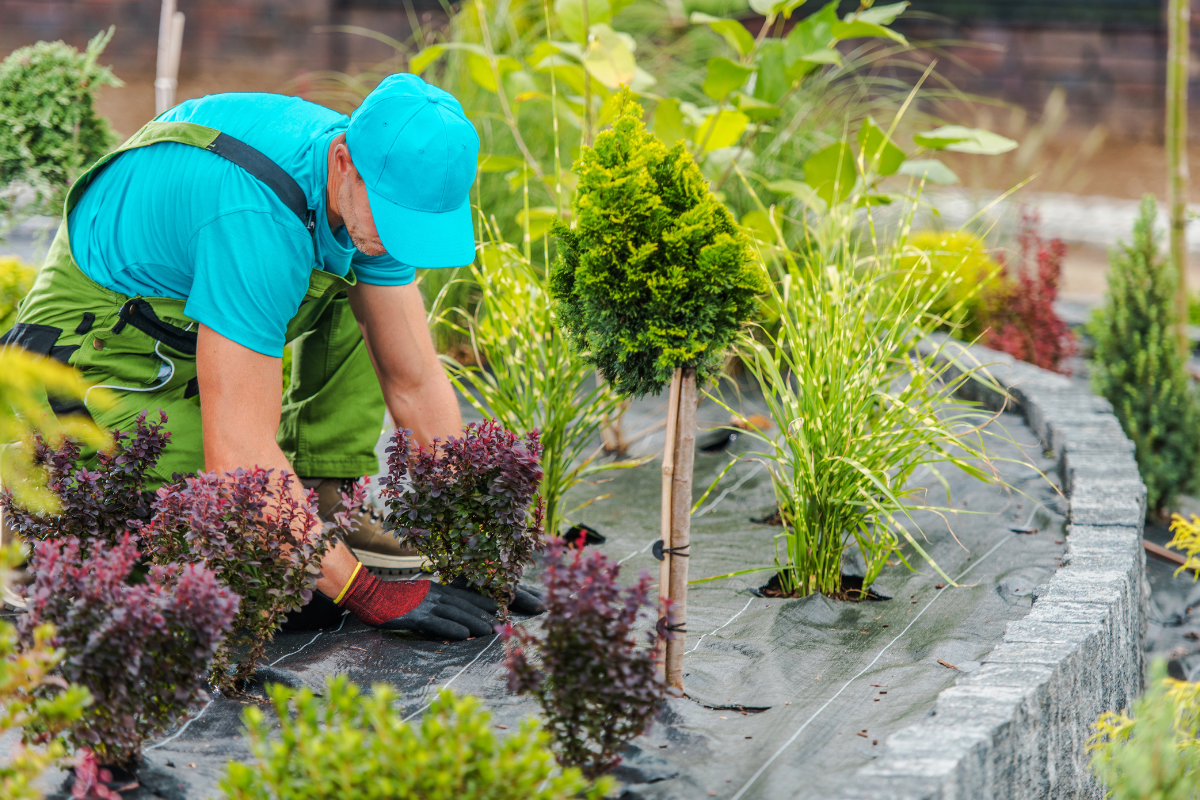
Weed pressure drops dramatically with a layered strategy. First, smother weed seeds with dense groundcovers or a close plant spacing plan, often 18 to 24 inches on center for low shrubs and perennials so their canopies touch in the second season. Second, use fabric only where appropriate. We rarely lay landscape fabric in mixed planting beds because it interferes with soil health and makes future edits painful. It does have a role under gravel or in narrow utility strips where root competition is not a priority.
Lighting That Works on Timers, Not To-Do Lists
Exterior lighting should be set and forget. Low-voltage LED systems consume a fraction of the power of old halogen setups and run cool. We choose fixtures with sealed housings and replaceable LED modules so homeowners are not stuck when a manufacturer discontinues a line. A photocell and simple astronomical timer ensure lights come on at dusk and off at a set time. Motion sensors are great for side gates and service areas near trash bins. Run wire in conduit wherever possible, even for low voltage, to prevent accidental cuts during future planting.
Seasonal Strategy: Minimal Touchpoints, Maximum Impact
The calendar can be your maintenance plan. We structure landscape maintenance services around predictable moments where a little effort has outsized benefits. Ideally, your landscaping service visits four to six times per year rather than weekly. Each visit targets the season’s leverage points.
Spring belongs to inspection and setup. We check irrigation zone by zone, adjust heads, and clear emitters. Prune out winter dieback, set the year’s shrub structure, and top up mulch where it has thinned to under two inches. We fertilize only where soil tests call for it. For lawns, a pre-emergent herbicide applied at the right soil temperature prevents a season of hand weeding.
Early summer is for light grooming. This is when grasses like miscanthus or switchgrass have settled in, shrubs have flushed, and perennials are in steady growth. We do a snip here and there to open air around foliage and to keep paths clear. Irrigation gets a runtime bump as temperatures rise.
Late summer demands restraint more than action. Heavy pruning now can trigger soft growth that winter will punish. We focus on deep watering during drought spells, daylily deadheading if desired, and an overall check on plant health. If pests show up, we favor targeted treatments and cultural fixes over broad-spectrum chemicals.
Autumn is the cleanup window and the time to think ahead. Leaves become mulch where appropriate, or they get shredded to return organic matter to the soil. Ornamental grasses either get left up for winter interest and wildlife shelter or cut down after they flop. Irrigation lines are winterized in colder climates. Bulbs go in where spring color is desired without future fuss.
Winter, for many homes, is quiet. This is when we schedule structural tree pruning and any small hardscape repairs. Planning happens here, too, because design changes get installed faster in the off-season.
Waterwise Design Without the Desert Look
You can cut water use significantly without covering the yard in rock and barrel cactus. The key is plant density, hydrozoning, and soil management. Hydozoning means grouping plants by water need on the same irrigation zones. A bed of lavender and santolina will hate sharing a zone with hydrangeas. Separate them and water each correctly.
High-density planting shades soil, which slows evaporation and suppresses weeds. In a new bed, it may look crowded on paper. By the second growing season, gaps close and maintenance drops. Lean soils help Mediterranean plants stay compact and healthy, while richer soils benefit woodland shrubs. Matching the soil to the plant group pays off in both appearance and reduced inputs.
Managing Views and Privacy Without Constant Clipping
Privacy screens often balloon into maintenance headaches when homeowners install fast growers and then chase them with shears. Bamboo, for example, can wreck a weekend if not contained with proper rhizome barriers. A better approach uses a layered structure. Plant a row of slower evergreen anchors like hollies or upright yews, then stagger mid-size shrubs and ornamental trees in front to block sight lines at different heights. The varied structure reads more natural, and individual plants can be pruned less often.
Strategic hardscape also helps. A slatted cedar panel near a seating area, offset just a foot or two from a neighbor-facing fence, blocks a window view immediately while the planting matures. The panel needs one quick oiling a year, which is far less than the workload of shearing a hedge every six weeks.
Where Garden Landscaping Meets Everyday Life
Low-maintenance landscapes should support habits. If you grill three nights a week, plan a heat-tolerant, grease-resistant surface under the cooking zone and keep herb planters close but out of traffic. If your dog patrols the yard, set aside a durable turf strip or a decomposed granite run, then use low, upright shrubs near the fence to protect beds. For families with young kids, we pour a compact, shaded play patio of pavers where a temporary water table or chalk station can live. These choices reduce improvisation that leads to mess and extra work.
A small vegetable patch can be low-maintenance if it is sized to your actual appetite. Two raised beds with drip irrigation and a simple trellis deliver salads all summer without becoming a weedy chore. Set them within hose reach and near a door so grabbing a handful of basil does not involve a hike.
How to Work With a Landscaping Company for Low Effort Results
Clear expectations and a crisp scope make a difference. When you seek landscape design services, ask for the maintenance assumptions baked into the plan. How many pruning passes does the design expect each year? How many irrigation zones, and why? What is the three-year growth expectation for each major plant? A professional will answer with ranges and reasoning, not guesses.
It also helps to define success in practical terms. “No more than two hours of yard work per month” gives a designer a target. So does “no weekly mowing crew.” We have reworked plans to swap a flowering but litter-prone tree over a patio for a cleaner evergreen that still anchors the space. A small change upstream can save years of sweeping.
Consider a phased install if budget is tight. We often build the hardscape and irrigation first, plant the structural trees and shrubs, then fill in perennials the following spring. This spreads costs and lets you live with the space to see how you use it.
A Simple Owner’s Routine That Keeps Things Easy
Even the most hands-off yard benefits from a short, regular rhythm. Think of it as preventive care rather than chores. The following micro-routine fits into the busiest schedules and avoids the need for emergency fixes later.
- Walk the yard once a week with coffee in hand. Look for broken irrigation heads, sagging branches, or emerging weeds at bed edges, and address them immediately. Pull the handful of weeds you see rather than letting them seed. Ten minutes now beats hours later. Adjust irrigation once per season, not every few days. Use the controller’s seasonal adjustment feature to increase or decrease runtimes by a percentage. Keep a small kit in the garage: a sharp bypass pruner, a long-handled weeder, a hand trowel, and a broom. Tools at arm’s reach cut friction. Schedule two appointments a year with your landscaping service for deep tasks like shrub pruning, mulch refresh, and system checks.
Real-World Examples and Trade-Offs
A corner lot with blazing afternoon sun and a high-visibility sidewalk needed to look sharp with limited owner involvement. We cut the lawn area by about half, framed the corner with a triad of desert willow trees, then filled the understorey with heat-loving perennials and gravel bands contained by steel. Drip irrigation under mulch keeps water off leaves and the sidewalk, and a battery-powered hedge trimmer handles the few shrubs that need touch-ups. The owner reports spending one hour on the first Saturday of each month pulling edge weeds and sweeping. The trade-off is a more seasonal look, with winter structure coming from grasses and evergreens rather than continuous bloom.
In a wooded backyard with heavy shade and poor lawn performance, we abandoned grass entirely. A crushed granite loop path connects a fire pit terrace and a hammock nook, while groundcovers like pachysandra and epimedium carpet the rest. The maintenance burden shifted from mowing to once-a-season leaf management with a blower set to low to avoid kicking up gravel. The area feels like a park and requires minimal care after leaves drop.
A family with two big dogs wanted green, not mud, and no time for weekly grooming. We installed a high-quality synthetic turf rectangle for the high-traffic run, edged by native ornamental grasses that can take occasional trampling. The rest of the yard is a mix of pavers and raised beds. The dogs get their space, the owners keep their weekends, and the annual maintenance is a spring rinse of the turf and a check of infill levels.
Budgeting for Low Maintenance
Upfront costs for a low-maintenance landscape can run slightly higher than a conventional install because of better materials, more irrigation control, and larger initial plant sizes. Expect installed costs to range widely based on region. As a rough anchor, a full-yard refresh for a typical suburban lot might fall between the mid five figures and low six figures when hardscape, irrigation, and plantings are all included. What you save comes later, in smaller monthly water bills, fewer service visits, and replacement cycles measured in decades rather than years.
We often present clients with two to three levels of finish. A baseline package uses reliable plants, standard pavers, and drip in beds. A mid-tier adds upgraded edging, composite decking, and a smarter irrigation controller. The top tier integrates custom carpentry, feature lighting, and specimen trees. The maintenance delta between these tiers is smaller than people expect. Durability and smarter systems keep effort low in every version.
When to Bring in Landscape Maintenance Services
Even a low-maintenance design benefits from professional eyes a few times a year. A landscaping service can prune correctly to preserve plant form, calibrate irrigation after a controller update, and catch small issues before they become costly. We advise scheduling visits around early spring setup and late fall shutdown as a minimum. Add a mid-summer check if your region experiences heat waves or if you travel frequently.
If you prefer a subscription model, ask for a scope tailored to your yard’s specific needs rather than a standard weekly mow and blow. Many companies now offer seasonal packages, irrigation-only care, or plant health checks. You’ll get more value from targeted expertise than from a rote visit cadence.
The Payoff: A Yard That Works Quietly in the Background
The best low-maintenance landscapes look settled and intentional. They are designed, then they get out of your way. You notice shade on a July afternoon, the sound of a rustling grass in October, and the fact that you have not hauled a mower out for weeks. Clippings bags, broken sprinkler heads, and constant edging are replaced by a quick walkthrough and the occasional phone call to your landscaping company for seasonal service.
Good design carries that load. It uses the right plant in the right spot, sets grades and materials to guide water where it should go, and automates the tasks that benefit from consistency. With the right landscape design services, your yard becomes the easiest room of your house to keep beautiful.
Landscape Improvements Inc
Address: 1880 N Orange Blossom Trl, Orlando, FL 32804
Phone: (407) 426-9798
Website: https://landscapeimprove.com/