Kids test a yard the way weather tests a roof. They sprint, tumble, dig, chase balls into shrub beds, drag scooters over borders, and gather in the same high-traffic corner every afternoon. A family lawn has to do more than look green on Saturday morning. It has to cushion falls, shed mud after a storm, tolerate spilled juice, and survive the season-long stampede. With careful planning and steady maintenance, you can build a landscape that welcomes rough-and-tumble play without turning into a patchwork of bald spots and tripping hazards.
What follows comes from years of walking properties after birthday parties, soccer scrimmages, and sprinkler runs. The patterns are predictable, and the fixes are practical. The end goal is simple: a soft, safe, durable yard that your kids, and your knees, will love.
Start with the surface: grass types that play nice
Grass is not generic. If you choose a species that fights your climate, you will be overseeding and patching until school starts. For cool-season regions with real winters and mild summers, Kentucky bluegrass, perennial ryegrass, and tall fescue are the usual contenders. For warm-season zones that heat up early and stay hot, bermudagrass, zoysia, and St. Augustine dominate. The kid-friendly question is not just climate fit, it is wear tolerance and recovery speed.
Kentucky bluegrass wins on self-repair. It spreads by rhizomes and will creep into thin spots if you feed it well and water consistently. Perennial ryegrass germinates fast, which makes it useful for quick repairs, but it does not spread on its own. Tall fescue grows deep roots and handles shade better than bluegrass, a strong trait for yards with playsets under trees. In the warm-season camp, bermuda is the playground workhorse. It laughs at foot traffic and rebounds quickly with heat and sun. Zoysia is tough but slower to recover, and St. Augustine prefers a gentler schedule with less pounding.
If your lawn lives under a mixed canopy of maples and oaks, shift expectations. True play lawns crave sun. In shade, tall fescue blends outperform bluegrass, especially newer turf-type tall fescues with fine blades. In deep shade under a dense canopy, the safest approach is honesty: grass will thin no matter what you do. In those pockets, consider a different surface altogether.
A landscaping service with regional experience can guide the choice down to the cultivar level. On neighborhoods we maintain, we often specify a 90 percent tall fescue, 10 percent bluegrass blend for partial shade, or a straight Kentucky bluegrass mix for full-sun soccer families. The ratio matters because it determines how the lawn heals itself in September after a summer of cartwheels.
Soil makes the softness
Parents focus on the blades, kids feel the soil. If the ground is compacted, no grass type will feel plush. You can diagnose compaction with a screwdriver. If you cannot push a 6-inch screwdriver into the soil with steady pressure after a rainfall, your root zone is tight. On many family lawns, the high-traffic corridor from back door to swing set develops a subsoil as firm as a clay court.
The fix starts below the surface. Core aeration remains the most effective method for opening compacted soils without tearing up the turf. A machine pulls thumb-sized plugs from the lawn, leaving thousands of holes that let oxygen, water, and roots flow. For kid-heavy yards, we schedule aeration twice each year in cool-season regions, spring and early fall. Warm-season lawns benefit most from late spring aeration when the grass is actively growing.
Topdressing magnifies the benefit. After aeration, spread a quarter-inch of screened compost over the lawn and drag it in with a leveling rake or the back of a leaf rake. Compost particles fall into the cores, where they support microbes and improve structure. Over a few cycles, a hard, bouncy lawn softens and stays greener during dry spells. In soils with heavy clay, we add coarse sand to the topdressing mix to adjust texture over time. It is not instant, but a season later you can feel the difference when you drop to a knee.
We also check grading during these visits. Low swales that collect water become mud bowls under play. A landscaping company can laser level small areas, adding a half-inch to an inch of topsoil across depressions. The key is moderation. Piling two inches of soil over an existing lawn suffocates it. Several light applications spread over a season keep the lawn breathing and gradually smooth the field.
Water with a kid schedule in mind
Automated irrigation can undermine a family lawn if it runs on autopilot. Daily shallow watering encourages weak roots and makes a yard go slick when kids sprint out after breakfast. Deep, infrequent sessions build durability. We shoot for 1 to 1.5 inches of water per week in cool-season lawns, typically delivered in two or three early-morning cycles. Warm-season lawns generally need slightly less once established, but still benefit from deep soaking.
Hardware matters. Rotary nozzles suit rectangular backyards and deliver larger droplets that resist wind. In narrow side yards where kids run corridors, consider dripline under mulch rather than pop-ups that spray over walkways and create slippery zones. Smart controllers tied to local weather data can postpone watering after rain, which keeps the surface firm for morning play.
For homes with a trampoline, adjust the zones around its perimeter. The shade of the mat plus concentrated foot traffic can create a dead ring. We program a little extra water for that arc, and we set a manual reminder to shift the trampoline a foot or two every few weeks during summer so the same area does not get hammered.
Mowing for safety and strength
Blade height is not cosmetic for kids. Taller grass blades cushion falls and protect crowns from heat. We mow cool-season lawns at 3 to 3.5 inches in summer, slightly lower in spring and fall. Warm-season grasses typically look their best shorter, but in family yards we keep bermuda and zoysia on the high end of their recommended range. A half-inch higher setting makes a noticeable difference in softness.
Sharp blades are non-negotiable. Torn tips dry out and lead to brown cast, and ragged grass is less resilient under foot. We sharpen weekly during peak growth. If you mow at home, sharpen monthly or replace blades twice a season. Always follow the one-third rule: never remove more than one-third of the blade at a time. Letting the lawn jump from 3 inches to 6 inches and then cutting back to 3 inches shocks the plant and exposes soil, which invites weeds and compaction.
Edges are another safety detail. Keep mower tires off the brink of beds and hardscapes. Install a stable mowing strip, such as a soldier course of pavers or a 6-inch concrete border, to stop the mower from scalping edges into divots that catch little toes.
Where grass should not go
A kid-friendly yard benefits from strategic non-grass surfaces. This is not an admission of defeat, it is good design. High-wear nodes like swing set landings, goal mouths, and the foot of a slide will always bare out first.
Under playsets, a protective fall zone matters more than green. Engineered wood fiber (EWF) or poured-in-place rubber meets safety standards for impact absorption when installed at the right depth and maintained. I have replaced more than one backyard pea gravel surface after children came in with scrapes and rocks in their shoes. EWF, installed at 9 to 12 inches and topped off annually, rides the line between safety and natural feel. If budget allows, rubber tiles over a compacted base create a cleaner surface that drains well and does not migrate into the lawn.
Goal mouths eat turf because kids stop, pivot, and repeat those motions daily. Consider a 10 by 10 foot zone of reinforced turf. Options include hybrid turf mats that install flush with the surrounding soil or a tight-knit zoysia square in warm regions where the rest of the lawn is a softer species. In cool-season areas, some families accept a seasonal bare patch and overseed in early https://maps.app.goo.gl/B6XHZ7nKGaNE19N99 fall, but a small section of synthetic turf cut in with a neat border keeps the field green year-round. The trick is drainage. Any synthetic insert must be set over a permeable base so rain does not pond.
For scooters and bikes, pour a loop or a straight run of concrete, pavers, or asphalt along a fence line. This keeps wheels off the lawn and prevents ruts. We often carve a 3-foot path that doubles as a service route for wheelbarrows. Parents appreciate that it contains chalk art and reduces gravel in the grass.
Reduce risk without killing the fun
Safety upgrades should feel invisible. The yard still needs to invite games, camps, and barefoot sprints. Start with trip hazards. Level irrigation heads with the soil surface and use swing joints so a bumped head flexes, not snaps. Reset sinking pavers that border lawn edges, and choose flexible landscape edging that sits flush rather than a tall rigid edge that grabs shoes.
Play equipment anchors deserve a second look. Mobile soccer goals need pegged anchors that sit below grass level. If you use turf staples or spikes, make sure heads are flush and check them monthly. For trampolines, consider a below-grade installation. Excavating a shallow pit and adding a retaining ring brings the jumping surface near lawn height and reduces fall distance. This is not a trivial project, and it requires careful drainage planning, but the safety and aesthetics are excellent.
Thorns and toxic plants have no place near swing zones. Barberries, roses with aggressive thorns, and spurge are frequent culprits. In our garden landscaping work, we relocate or remove anything that grabs sleeves or can injure a falling child. Swap for soft textures like ornamental grasses, dwarf sweetspire, inkberry holly cultivars without prickly leaves, or low-spread perennials that forgive a stray ball. If you grow edibles, keep nightshade family plants and spiky artichokes out of the primary play corridor.
One late-summer tweak parents often overlook is insect pressure. Yellow jackets love ground cavities and will colonize abandoned vole or chipmunk holes. A lawn care pass in midsummer should include a quick walk to spot and treat active nests. We prioritize non-bait options that do not linger in the soil, and we avoid blanket insecticides. Target the problem, not the whole lawn.
Fertility and what you put into the lawn
A well-fed lawn tolerates wear better, but toddlers live close to the ground. Choose your products accordingly and time applications around family schedules. Slow-release granular fertilizers applied at moderate rates keep growth steady without flushes that demand extra mowing. We prefer 0.5 to 0.75 pounds of nitrogen per 1,000 square feet per application, tailored to grass type and soil test results. Cool-season lawns respond best to fall-centric programs, with the heaviest feeding in September and November. Warm-season lawns lean on late spring and midsummer.
Skip weed-and-feed in favor of spot weed control. Blanket spraying broadleaf herbicides is convenient, but kids roll and wrestle on the lawn you just treated. Hand-pull in small lawns, or use a selective herbicide only on problem patches during a dry, windless window. Keep pets and children off treated areas until the label reentry period passes. If you prefer an organic program, be realistic. Corn gluten meal has modest pre-emergent effects at high rates, but it is not a magic shield. Mulch, hand-weeding, and dense turf are your primary defenses.
If your kids have sensitive skin, wash-in routines matter. After fertilizer or spot-spray events, irrigate enough to move granules off the leaf surface and into the soil, then let the lawn dry before play resumes. We text our clients on treatment days with a recommended window, usually 24 hours, to be safe.
Managing mud and wear patterns
Mud is part of childhood, but a yard can avoid becoming a boot-sucking mess. The first step is drainage. Downspouts that discharge into a lawn create wet fans where grass thins and soil liquefies. Extend downspouts to beds or a dry well, or tie them into a solid drain line that exits at a lower grade. For yards with heavy clay, a French drain along the base of a slope can intercept runoff that slams into the play area.
Traffic management is not glamorous, but it works. If there is only one gate and one path to the playset, that path will rut. Add a second gate if possible, or a second opening in the hedge. Move the soccer goal monthly so the wear zone migrates. Rotate temporary field lines. Roll the lawn lightly in late winter to smooth frost heave, then aerate and topdress again in spring.
When damage happens, speed matters. A soccer cleat can peel a divot the size of a dinner plate. Replace divots the same day if you can. Press them back in and step firmly. In cool-season yards, keep a bucket of seed and compost on hand. For spots up to a couple square feet, scratch the soil with a hand rake, broadcast seed, cover with a dusting of compost, and keep moist for two weeks. Perennial rye germinates in 5 to 7 days in spring, which is why it earns a place in many mixes. In warm-season lawns, plug repairs work better than seed. Cut 3-inch plugs from a healthy area and transplant with a bulb planter. Water daily until established.
Shade, roots, and the reality under trees
Trees are magnets for kids and shade the hottest corners of the yard. They also compete with grass for water and nutrients. Shallow roots from maples and poplars can buckle turf and create trip hazards. Instead of fighting physics, adjust the plan. Expand mulch rings generously around trunks, well beyond the dripline if possible. A wide, flat mulched zone looks intentional and gives you a place to park a sandbox, hammock, or chalkboard wall.
Do not pile mulch like a volcano against trunks. Keep it 3 to 4 inches deep and pulled back from bark by a few inches. If you want a green look under trees, tuck in shade-tolerant groundcovers at the edge where light improves. Keep play zones out of the densest shade to protect both grass and tree roots.
For families planning new trees, choose species whose root systems play nicer with lawns. Oaks and ginkgos tend to run deeper than maples. Plant with room to grow, and commit to pruning that lets sunlight reach the turf. Landscape design services can model canopy spread and sun angles to place trees where they shade a patio at 5 p.m. without casting the entire yard in gloom.
Choosing durable, forgiving plants around the lawn
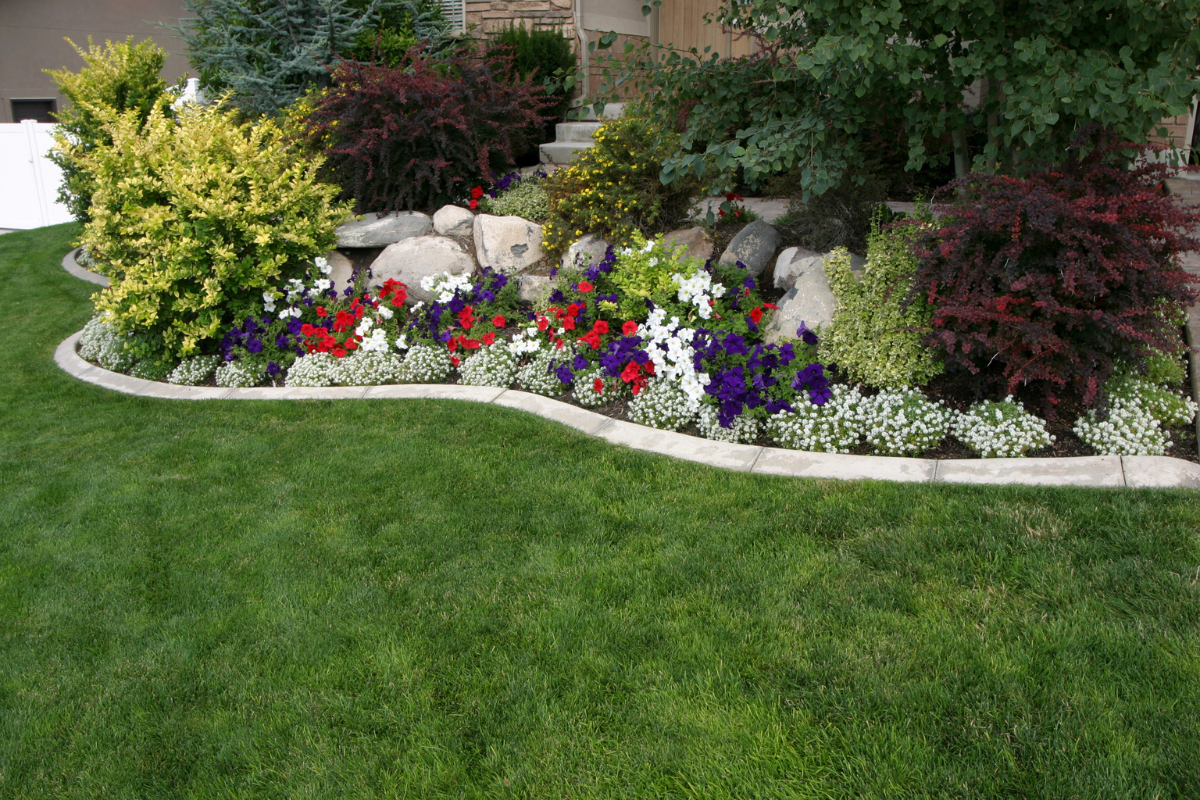
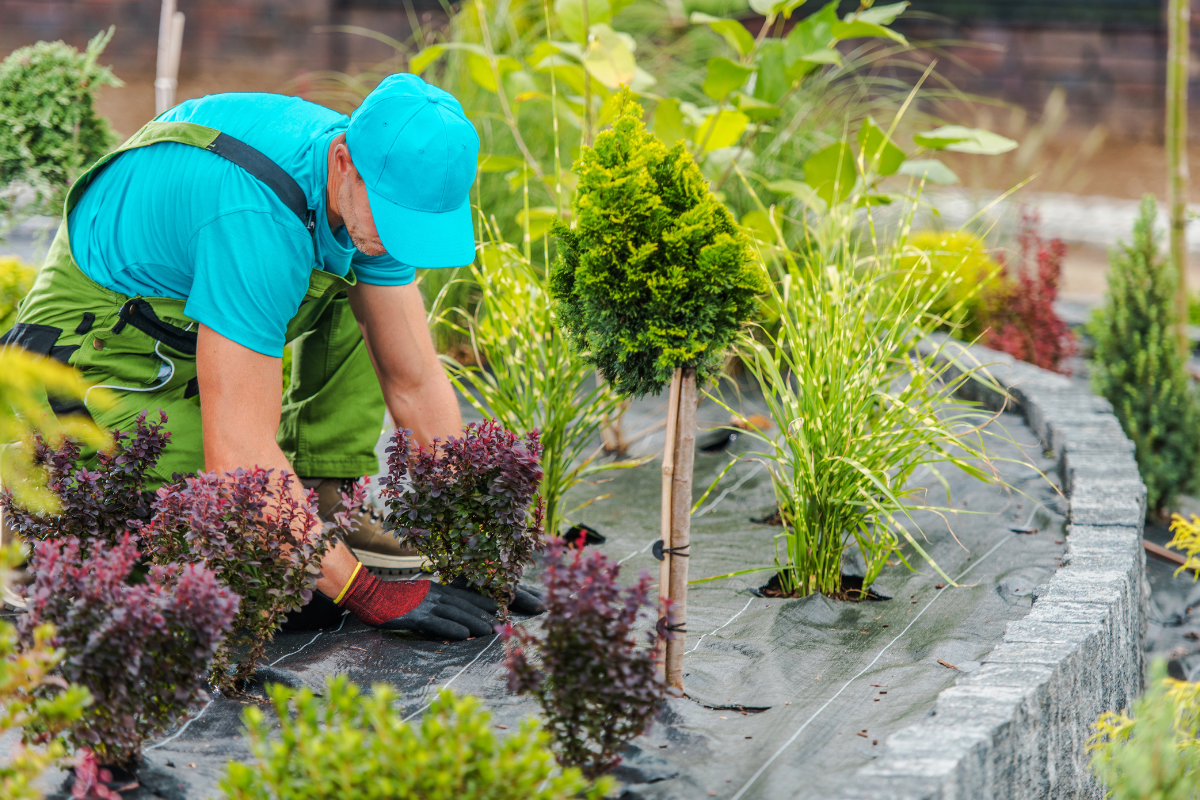
Plants bordering a play lawn take a beating. Balls land, feet miss, and dogs cut corners. We design buffers with resilient, forgiving species and sturdy, rounded forms. Low hedges of inkberry holly (Ilex glabra ‘Shamrock’ or similar) bounce back from stray kicks. Boxwood looks formal, but even the hardiest cultivars resent repeated blows, and some suffer from blight. For a casual family yard, I lean toward feather reed grass, little bluestem, and dwarf fountain grass to soften edges where kids run past.
Perennials matter for pollinators and color, but they should not collapse after one impact. Catmint, coneflower, and coreopsis withstand occasional abuse and rebound after a quick deadheading. Avoid brittle stems that snap and look ragged for weeks. In bed design, assume a one-foot sacrificial strip along lawn edges where ball retrieval and short cuts happen. Plant tougher species there and save delicate blooms for farther back.
Mulch choice affects maintenance and mess. Shredded hardwood moves less than nuggets under foot. Rubber mulch does not break down, which sounds good, but it migrates and heats up. Around kids, we favor natural mulch that can be raked back into place and replenished annually. A clean edge keeps mulch out of the grass. Where budgets allow, a steel edge provides a crisp line that resists mower bumps and scooter wheels better than plastic.
The case for a small hardscape
A lawn does not have to carry every activity. A modest patio or seating pad pays for itself in saved turf. When kids host a lemonade stand or craft party, set the table on a surface that can be swept and hosed. Permeable pavers let water pass into the soil and reduce puddles, and the joints lock tight so chair legs do not catch. Select textures that grip, not polished stone that turns slick with a splash.
In many family backyards, we extend the main patio by 6 to 8 feet and add a low seat wall. It expands the hosting zone and signals where chairs and coolers belong during birthday parties. The lawn becomes the game field, not the dining room. That demarcation protects grass more than any fertilizer program.
Maintenance rhythms that keep everything safe
Consistency, not heroics, keeps a kid lawn performing. The calendar looks a little different than a showcase lawn.
- Spring checklist: core aeration, compost topdress, adjust irrigation heads, sharpen mower blades, feed lightly after soil temps warm, and spot-seed winter damage in cool-season regions. Summer habits: mow high and frequent, water deep twice weekly, move goals and play equipment every few weeks, inspect for yellow jacket nests, and keep a divot bucket handy.
These two lists are enough for most families to stay ahead. The rest can live in notes on your phone or with a landscape maintenance services provider who understands the play schedule and builds their visits around it.
Synthetic turf: when, where, and trade-offs
Artificial turf earns strong opinions. It solves wear overnight and looks brand-new for years, but it brings heat and hygiene questions. In full sun, some products can reach surface temperatures 40 to 60 degrees Fahrenheit hotter than air temperature. For toddlers, that exceeds comfort and borders on danger on peak days. The material also needs regular rinsing to remove dust and pet waste, and infill can migrate without edging.
That said, we install strategic synthetic zones with excellent results when the use case fits. A 12 by 20 foot goal mouth insert in a warm-season lawn ends the annual mud pit. A putting green near the patio consolidates ball play in one place and saves the lawn from divots. Under a second-story deck where sunlight never reaches, a synthetic carpet over a free-draining base offers a clean play mat.
If you go this route, choose a turf with a soft, non-abrasive fiber and a permeable, antimicrobial infill. Set it over 4 to 6 inches of open-graded aggregate compacted in lifts, with a geotextile to separate soil and base. Border it with a stable edge so scooters and mowers cannot lift the seam. Rinse weekly in summer, and more often if pets use it.
Real-world tweaks from family yards
A few small habits make a big difference. One client with three kids and a golden retriever stashed a stiff push broom on the patio. After water table days, we broomed water from the patio toward a planted bed, not the lawn, saving high-traffic turf from a soak. Another family put a shoe rack by the back door and a hose bib with a low-pressure sprayer. Grass stayed on the lawn instead of the kitchen floor, and the sprayer doubled as a quick way to rinse mulch off the lawn after gardening.
We learned to label storage bins for balls and cones and keep them on the hardscape. Fewer lost toys in the shrub beds means fewer forays through plantings. For families with toddlers, a simple weekly sweep for mushrooms after summer rain reduces worry. Many lawn mushrooms are harmless, but kids and pets do not know the difference. A regular scan becomes routine.
When to bring in a pro
Lots of families handle mowing and light lawn care well. A landscaping company adds value at inflection points: diagnosing stubborn compaction, regrading a soggy corner, specifying the right grass blend, or integrating drainage with hardscape. If you plan to rework a play zone, a landscape design services team can sketch a layout that separates run lanes, ball fields, and quiet corners. A professional crew also brings equipment that turns a weekend project into a same-day fix, which matters when soccer practice starts in two days.
When you vet a landscaping service for a kid-focused yard, ask pointed questions. What grass varieties do they recommend for your microclimate and sun exposure, and why? How do they handle fertilizer timing around family use? Will they coordinate with your irrigation schedule and leave notes after treatments? Families need partners who think beyond the next mow.
Building a lawn that lasts the childhood years
A durable, kid-friendly lawn is not an accident. It is the sum of compatible grass, forgiving soil, thoughtful edges, smart water, and gentle but steady care. Expect scuffs and divots. Plan for them. Give the yard relief with a patio for crafts, a safe surface under the swings, and a route for wheels that is not through the middle of the turf. Keep heights a touch higher than the brochure photo, and blades sharp enough to slice clean. Fix small problems before they widen.
The payoff shows up on a July evening when the sprinkler ticks off, the lawn dries quickly, and kids race across a soft, cool field that does not squish underfoot. No one thinks about the compost woven into the root zone or the re-aimed downspout. They just play. That is the standard we measure by in our garden landscaping work, and the yard that meets it tends to look beautiful long after the toys move on.
If your lawn needs a reset, or you want a second set of eyes on play patterns and drainage, a call to a local landscape maintenance services team can shorten the learning curve. Bring them your priorities and your schedule. Ask them to walk the property the day after a playdate. The evidence is right there on the grass, and with a few smart moves, it will be ready for the next one.
Landscape Improvements Inc
Address: 1880 N Orange Blossom Trl, Orlando, FL 32804
Phone: (407) 426-9798
Website: https://landscapeimprove.com/